





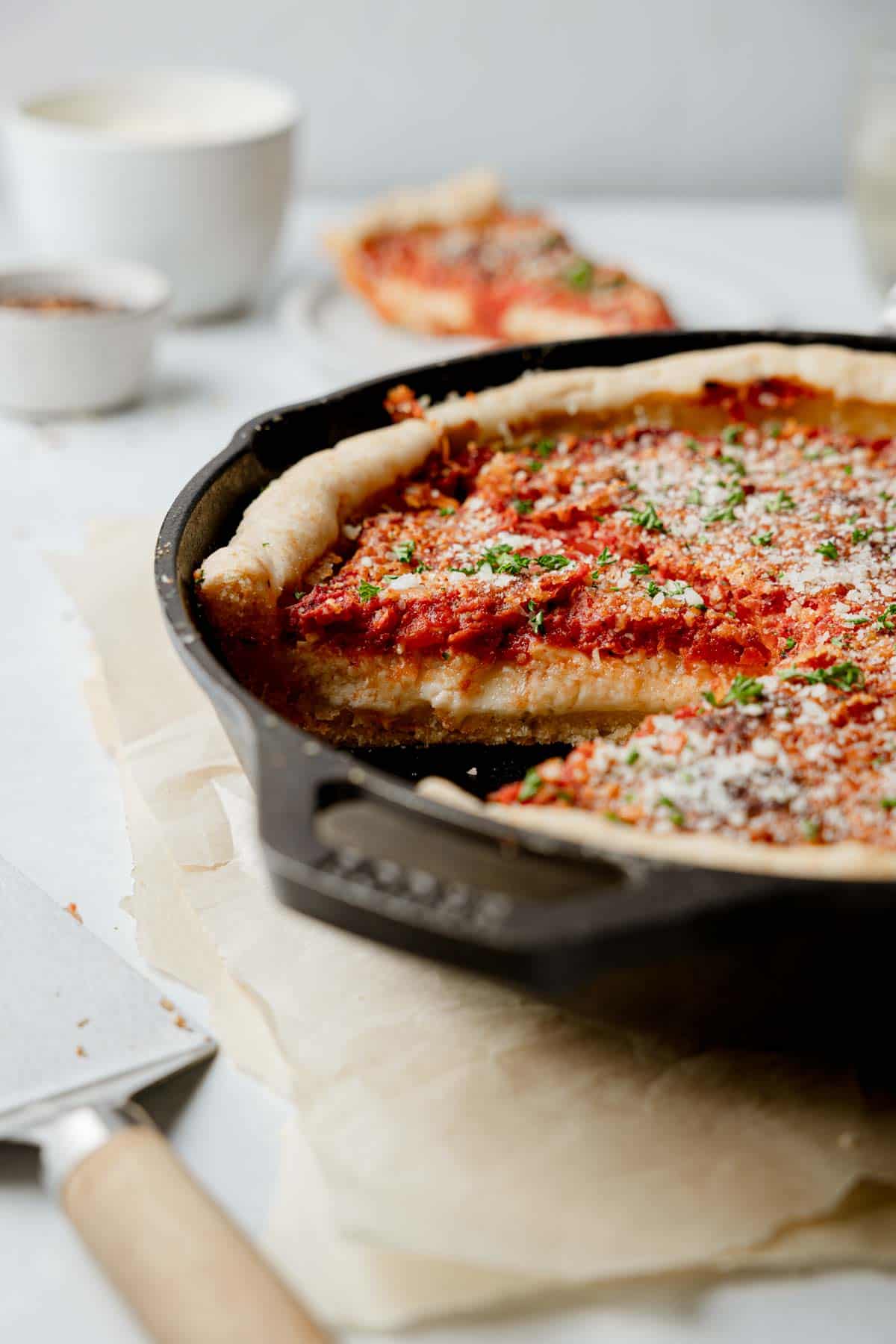
This gluten-free Chicago deep dish pizza features a crisp, buttery crust, plenty of gooey cheese, and that signature chunky tomato sauce. It's the kind of slice you eat with a fork-just like we do here in Illinois!
Save This Recipe!
Why This Is The Best Recipe!
Growing up in just south of Chicago, I've eaten a lot of good pizza. It is still one of the things I miss most after going gluten-free. There are so many styles of pizza, and honestly, I love them all. I've already shared a classic gluten-free pizza dough, gluten-free Detroit style pizza, and a gluten-free pizza you can make in an outdoor pizza oven, but I haven't shared Chicago deep dish-until now!
While Chicago is known for deep dish, we really don't eat it all that often. You're much more likely to find thin or tavern style crusts around here. The deep dish has become somewhat of a tourist attraction, but let's be honest-there's a reason for that-it's still good pizza!
So if you've been wanting an authentic gluten-free deep-dish pizza, I think you'll be pretty happy with this one!
So, What Makes It Chicago-Style?
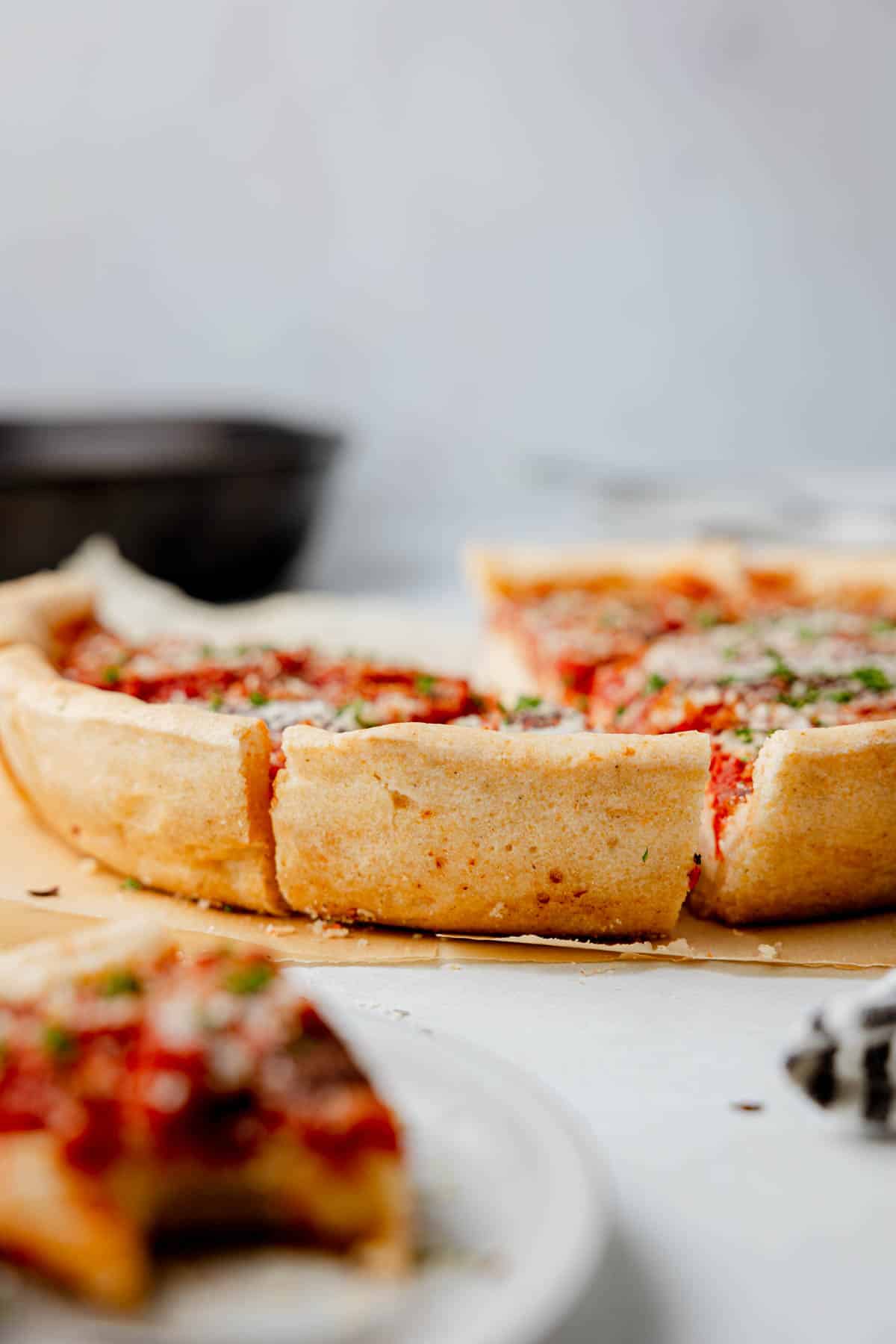
- The crust: Thin, buttery, crisp, and high-sided, not soft or fluffy like pan pizza.
- The order: Cheese goes on the bottom, toppings in the middle, and chunky tomato sauce on top. This helps everything bake through evenly without burning the cheese.
- Baked in a deep pan: Loaded with enough cheese and toppings to be affectionately considered the casserole of pizzas!
Deep Dish Toppings
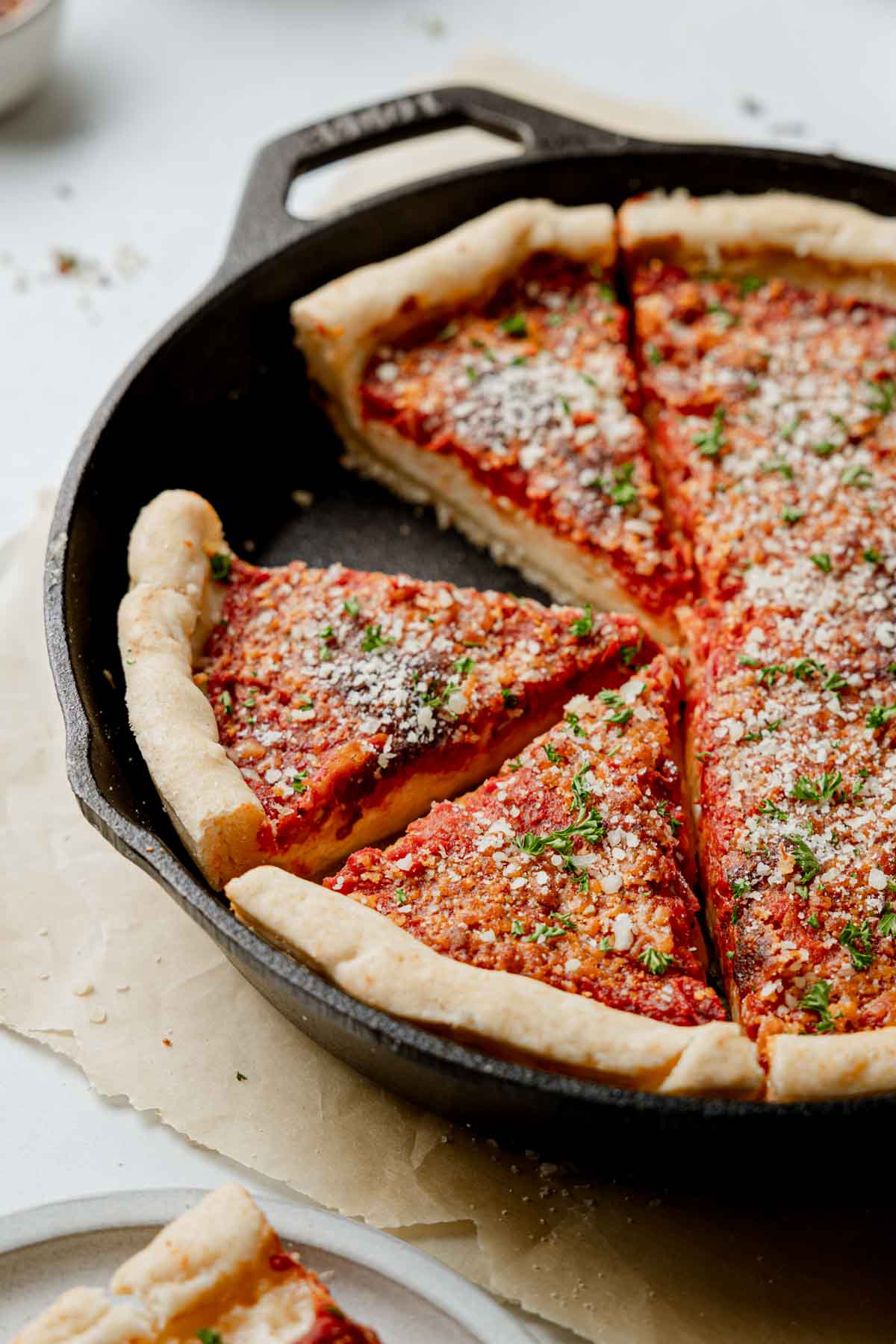
These are the most traditional toppings you'll find for deep-dish in Chicagoland.
- Plain cheese: This pizza is very satisfying, even if it's only filled with cheese!
- Italian Sausage: Not sausage links, but bulk Italian sausage. This is arguably the most traditional deep dish pizza topping. Use high quality Italian sausage, which has a flavorful blend of Italian spices, especially fennel.
- The Special: A traditional combination of toppings here in Illinois is sausage, onion, green bell pepper, mushroom, and sometimes black olive. You'll find this combination listed right on the menu at most pizzerias.
- Pepperoni: Pepperoni slices are a classic pizza topping most everyone loves and are a great topping for your deep dish pizza.
Gluten-Free Pizza Dough Ingredients
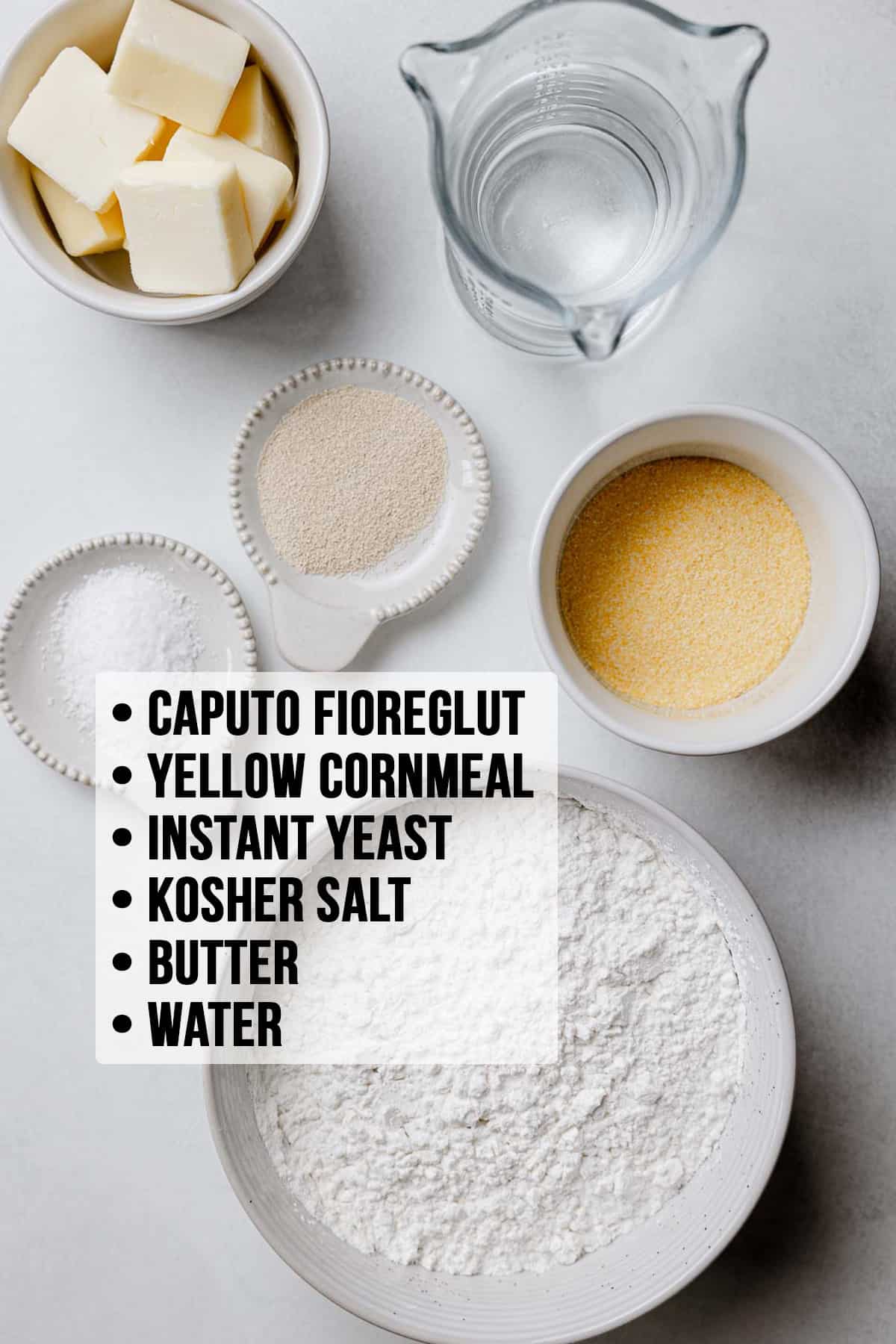
- Caputo Fioreglut Gluten-Free Flour Blend: This is the only flour recommended for this recipe. Please note: it does contain gluten-free wheat starch and is not suitable for those with a wheat allergy. Curious about Fioreglut? Read my full review of Fioreglut!
- Yellow Cornmeal: I've tried to determine if this is truly an authentic addition to the dough, and it may not actually be, but I do appreciate the flavor and texture the cornmeal provides in this pizza.
- Instant Yeast: This fast-rising yeast is the easiest to use, especially for gluten-free baking! You can mix the yeast right in with the dry ingredients without dissolving in water first. If you only have active dry yeast, be sure to dissolve it first in the warm milk for five minutes before adding it to the rest of the recipe.
- Butter: Part of what sets true Chicago-style pizza apart from other deep dish pizzas, which call for olive oil, is that there's butter in the crust. Butter adds a rich flavor and flakiness to the crust.

Get the Goods!
Caputo Fioreglut
I recommend you buy Caputo Fioreglut from Brick Oven Baker. They have great prices and you can use code: KATIE for 10% off your first order!
Deep Dish Sauce and Filling Ingredients
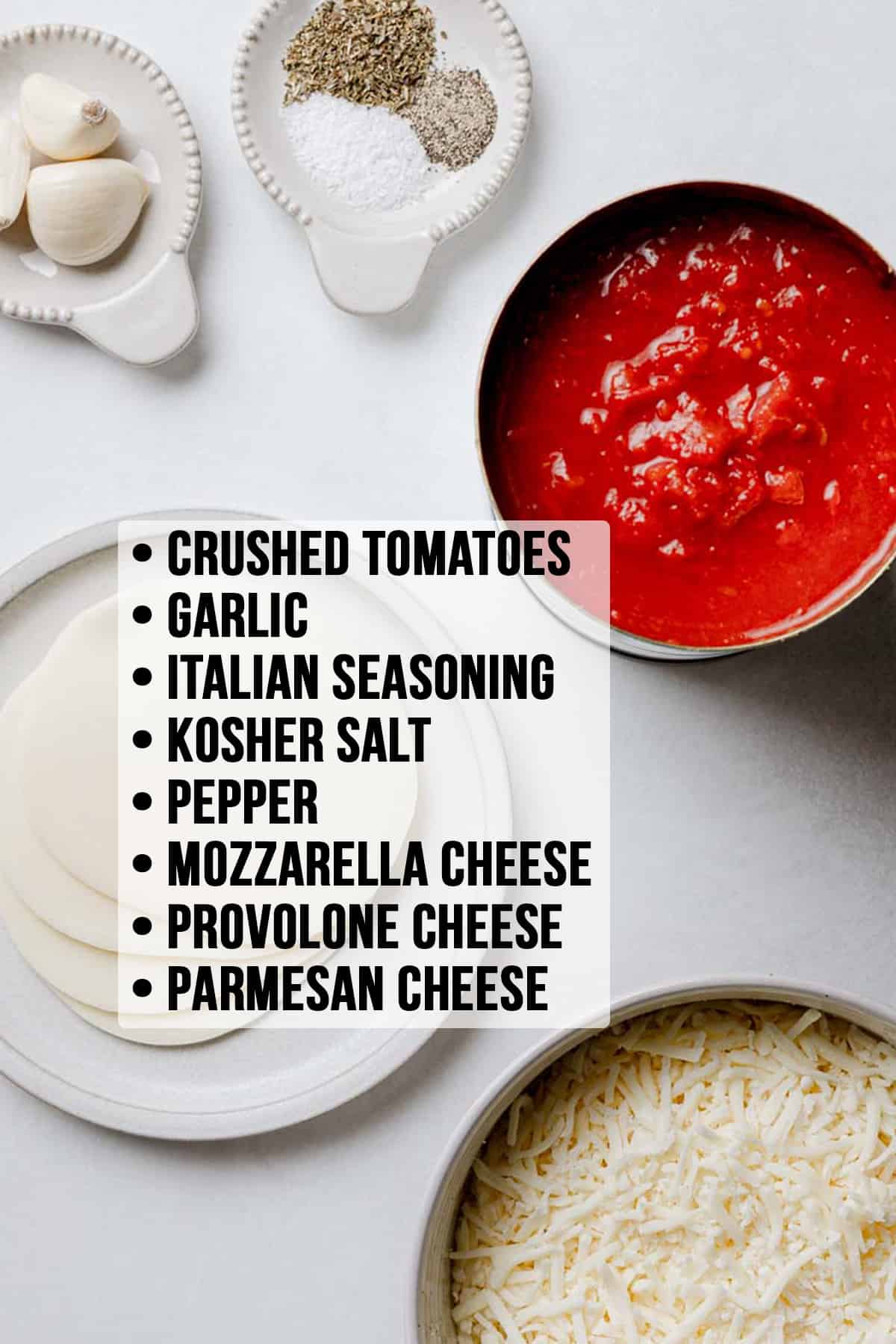
- Crushed Tomatoes: Be sure to use good quality crushed tomatoes. The better the tomato, the more delicious the sauce will be! If you can find San Marzano crushed tomatoes, that's the best option.
- Three Cheese Blend: Mozzarella, provolone, and parmesan add an interesting depth of flavor you don't usually get from mozzarella alone.
How to Make the Dough
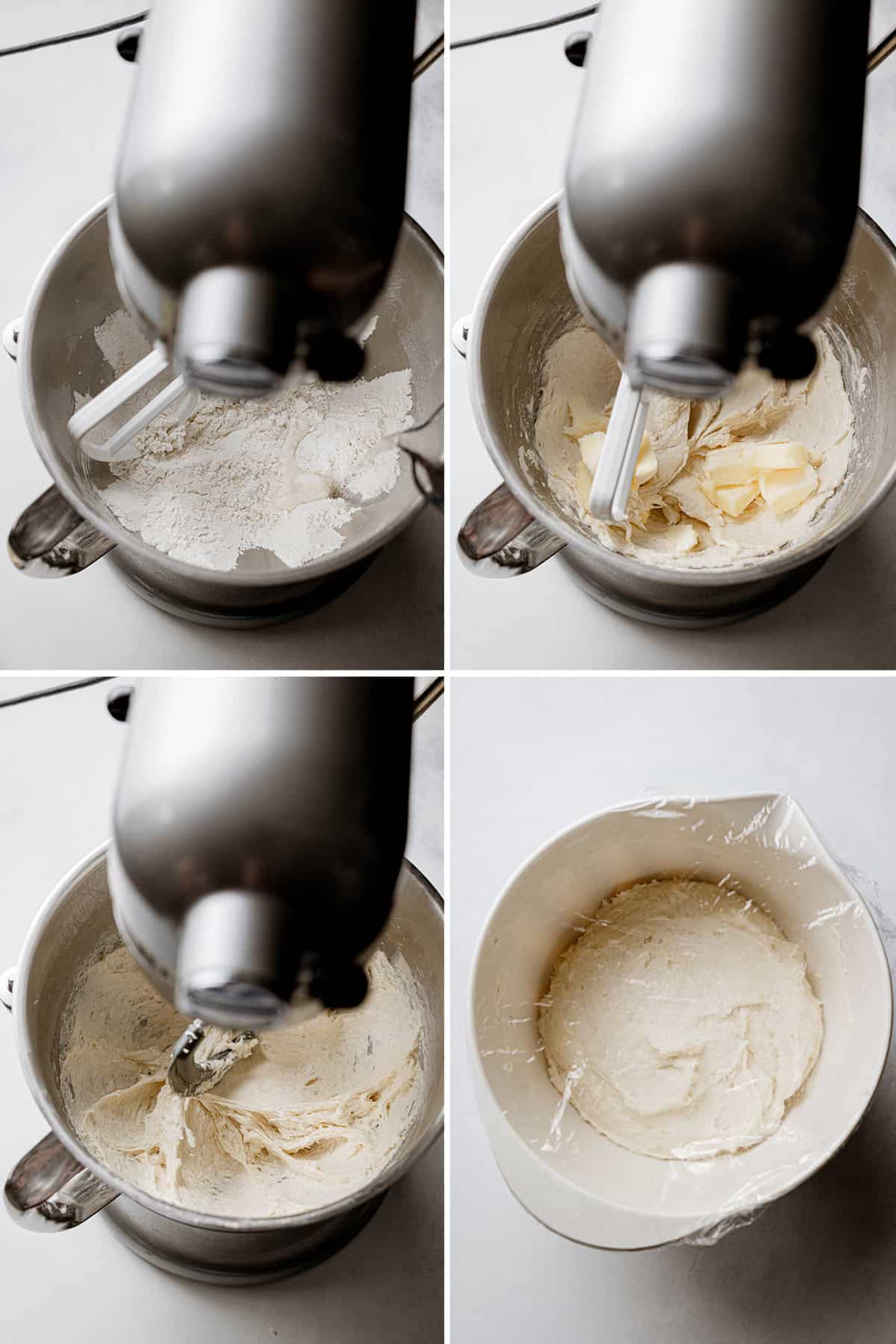
- Whisk together all of the dry ingredients, including the instant yeast.
- Warm the water to 120-130°F, and blend into the flour mixture until smooth.
- Add the softened butter and continue to mix for an additional 2 minutes.
- Let the dough rise for about 1 hour or until doubled. After rising, cover and refrigerate the dough for one hour or up to overnight. It can be used right after the initial rise, but it's easier to work with when cold.
How to Make the Sauce
The key to making the best Chicago deep dish lies in the chunky tomato sauce. It's surprisingly simple to make and it all starts with a can of crushed tomatoes.
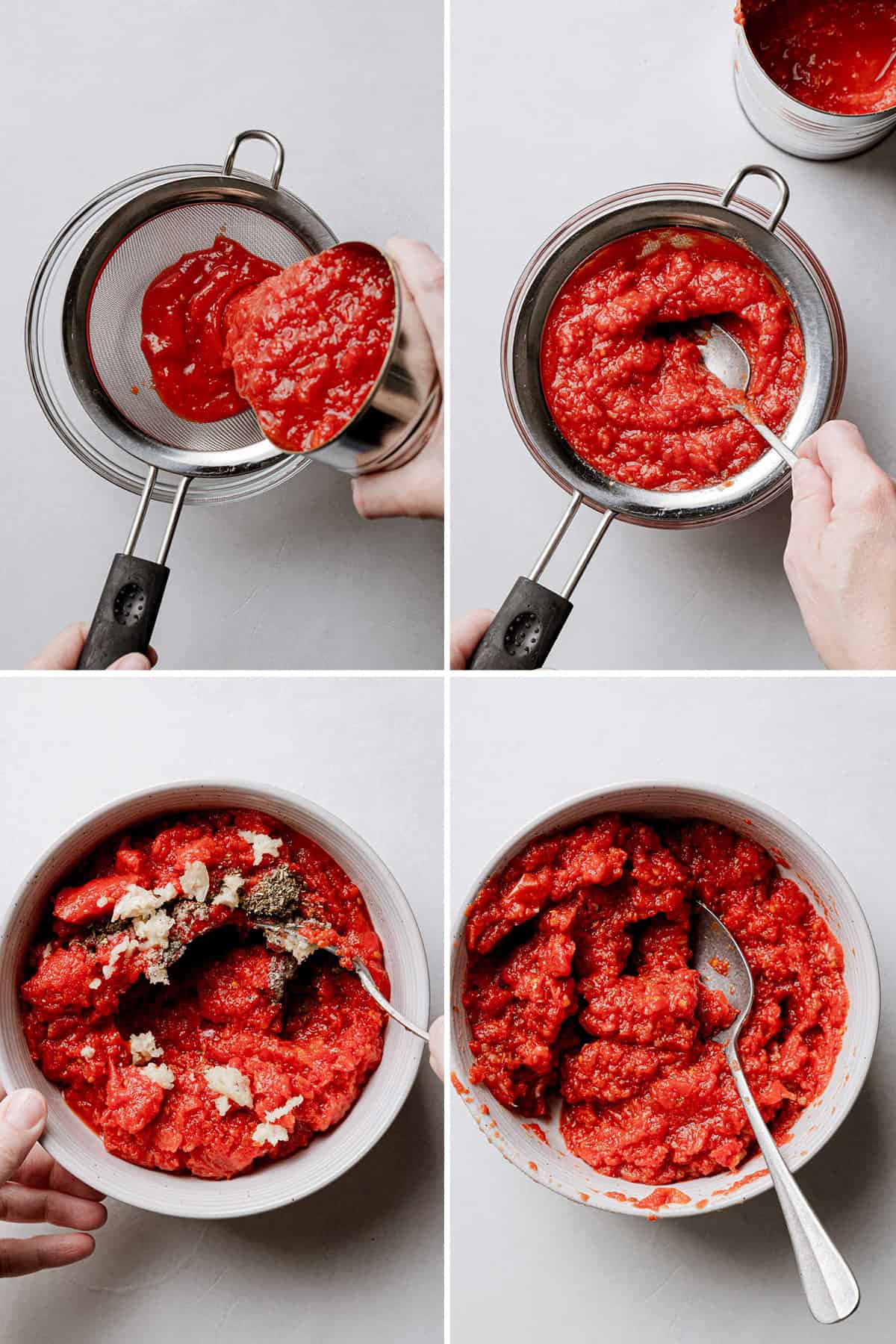
- Open the can of crushed tomatoes and pour the contents into a fine mesh strainer.
- Allow gravity to do it's thing, or use the back of a spoon to coax the excess juice from the tomatoes.
- Place the strained tomatoes into a small bowl along with the minced garlic and Italian seasoning, salt, and pepper.
- Stir until combined.
Assembling the Deep Dish Pizza
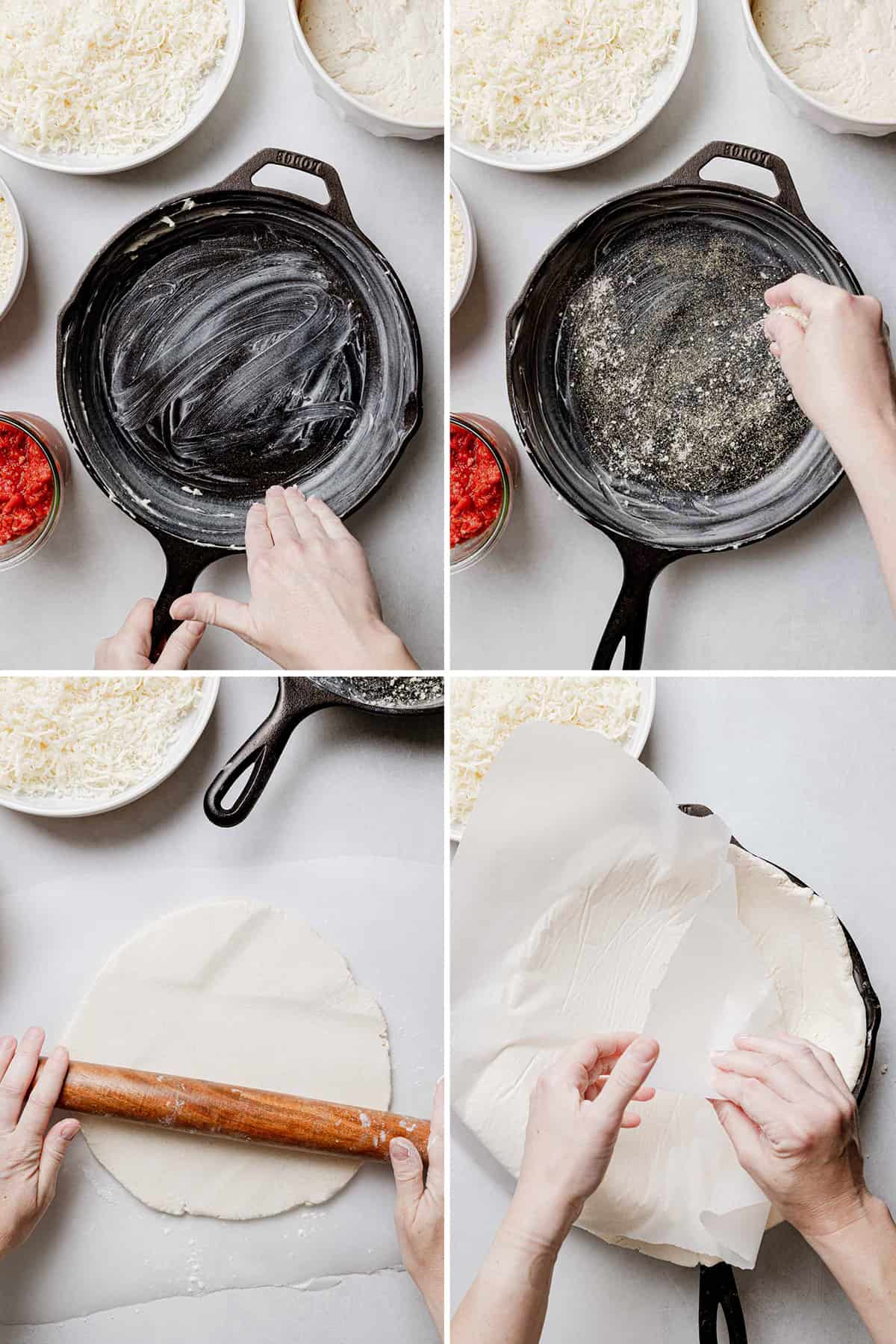
- Generously grease your pizza pan with butter.
- Sprinkle the bottom of the pan with cornmeal and grated parmesan cheese. This not only prevents the crust from sticking but adds flavor and crispness.
- Roll out the dough on a piece of parchment paper.
- Then, flip the dough into the prepared pan and peel the parchment off.
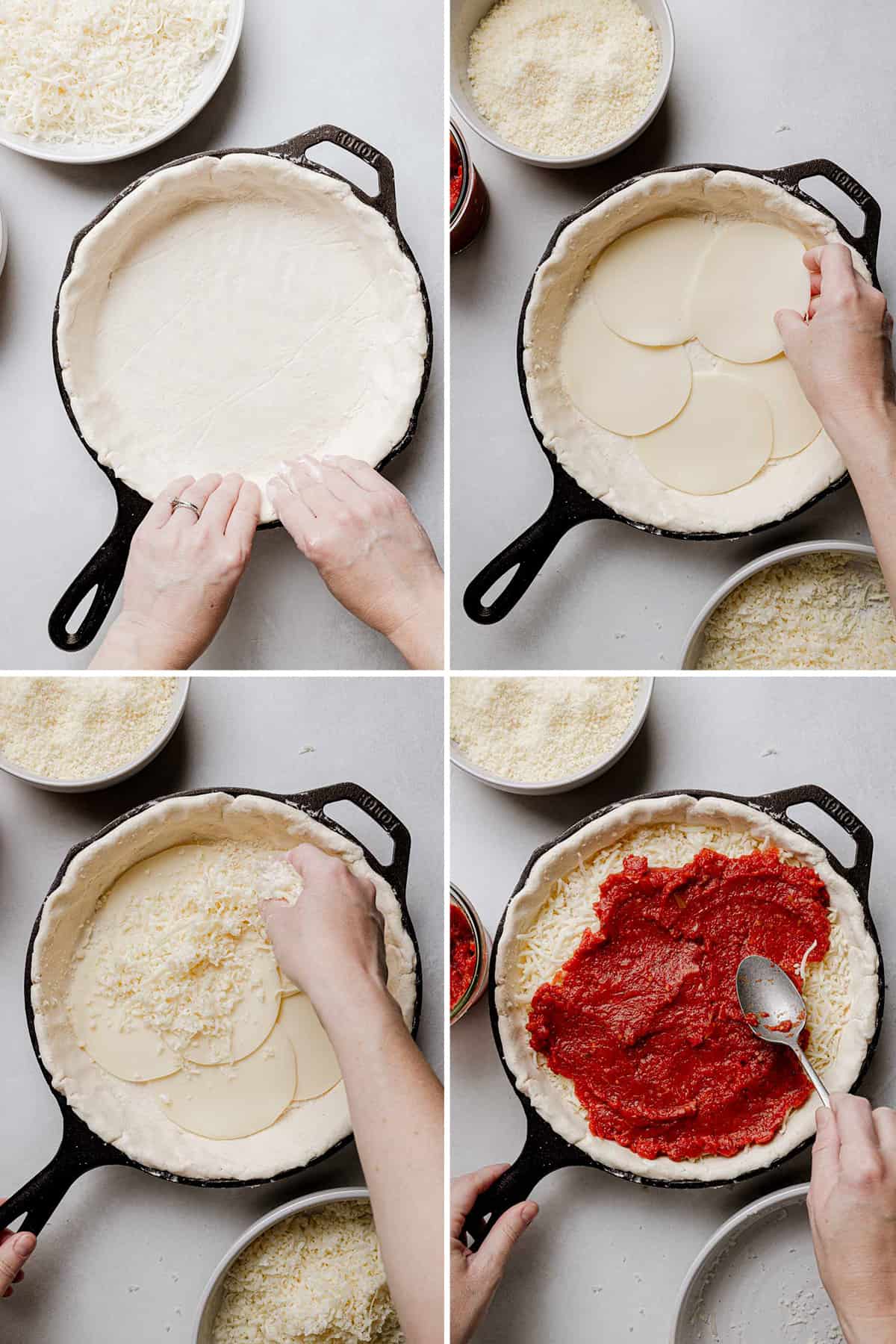
- Now, press the dough evenly in the bottom and up the sides of the pan, don't go past the top edge. If your dough does go past the edge, just fold it under and press against the sides to make it even.
- Place the sliced provolone cheese on top of the crust.
- Followed by the shredded mozzarella cheese.
- Next layer on any desired toppings, like sausage or pepperoni.
- Lastly, dollop the tomato sauce on top of the cheese and spread it into an even layer with the back of a spoon.
- Sprinkle with grated parmesan before placing the pizza into a preheated oven to bake.
How to Tell When Deep Dish Pizza is Done
If you're struggling to know if your deep dish pizza is ready to pull from the oven, here are some signs to look for:
- Check the temp. The temperature in the center of the pizza should be 190°F or higher.
- Look and listen. You won't see tiny bubbles, but the pizza will still sound like it's sizzling. If you look closely at the center, it may look puffed or like it's slowly bubbling. This is a good sign the cheese is melting and your pizza is done.
- Check the crust. The edges of the crust may also start to pull away from the sides of the pan and the crust will appear lightly golden brown and crisp.
How to Serve Deep Dish Pizza
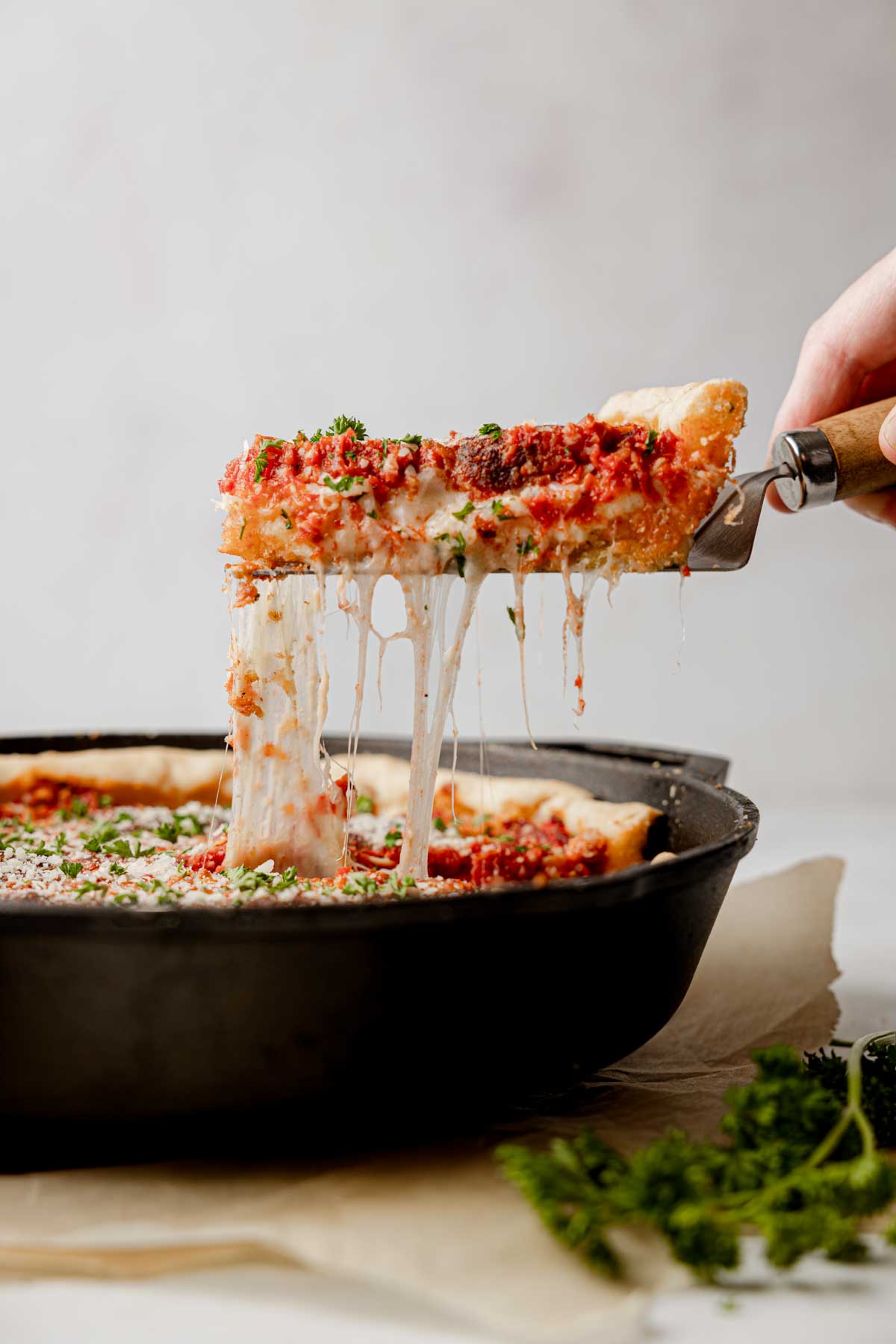
- Once you've removed the pizza from the oven, allow the pizza to rest for about 10 minutes.
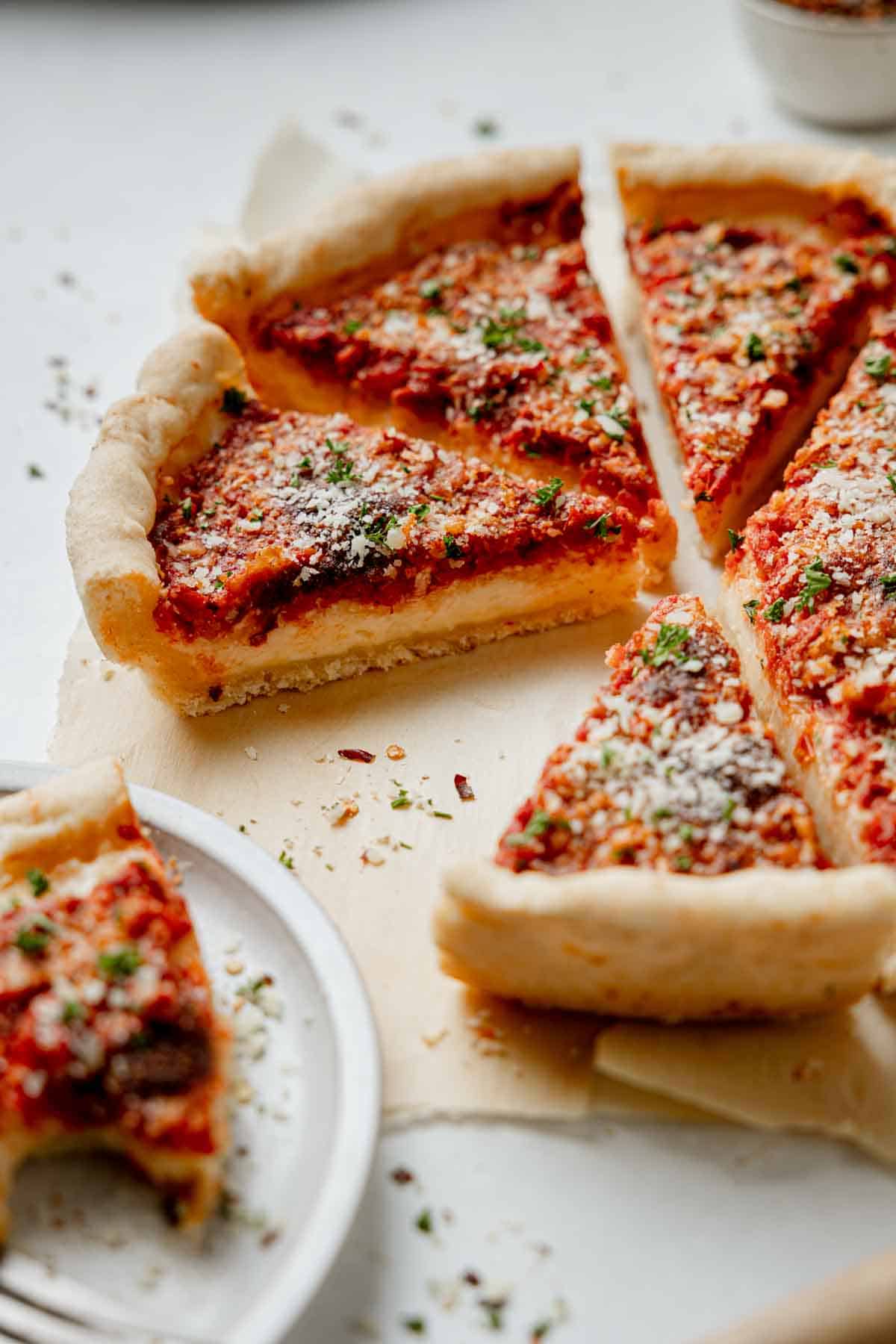
- Use a sharp knife to slice the pizza right in the pan or remove the pizza to a cutting board to slice. A serrated knife can be helpful for getting through the crust.
- Slice the pizza into 8 slices. Each slice tends to be quite filling, so a little goes a long way!
Storage
Deep dish pizza is best enjoyed hot and fresh from the oven. Any leftovers can be refrigerated for several days or frozen for even longer.
The method of reheating depends on what is more important to you, immediate hunger satiation or maintaining crust integrity:
- If you're just hungry and want to heat it through as quickly as possible, reheat a slice in the microwave for 30 seconds to 1 minute.
- If you want the pizza to taste like it came fresh from the oven, reheat the pizza slices on a baking sheet in a 350°F oven or in the air fryer until warmed through.
Deep Dish Pizza Tips
- Weigh your ingredients. For the most accurate results, use a digital kitchen scale to measure the dough ingredients.
- Plan ahead. The dough is easiest to work with when cold so plan to make the dough a few hours or even a day beforehand.
- Don't skip making the sauce. Store-bought pizza sauce or marinara sauce is just not the same. These typically don't have the right texture and have way too much moisture.
- Watch your baking times. Depending on the pan you use, your pizza may cook quicker or need longer to bake. A thin aluminum pan is going to bake faster than the cast-iron pan.
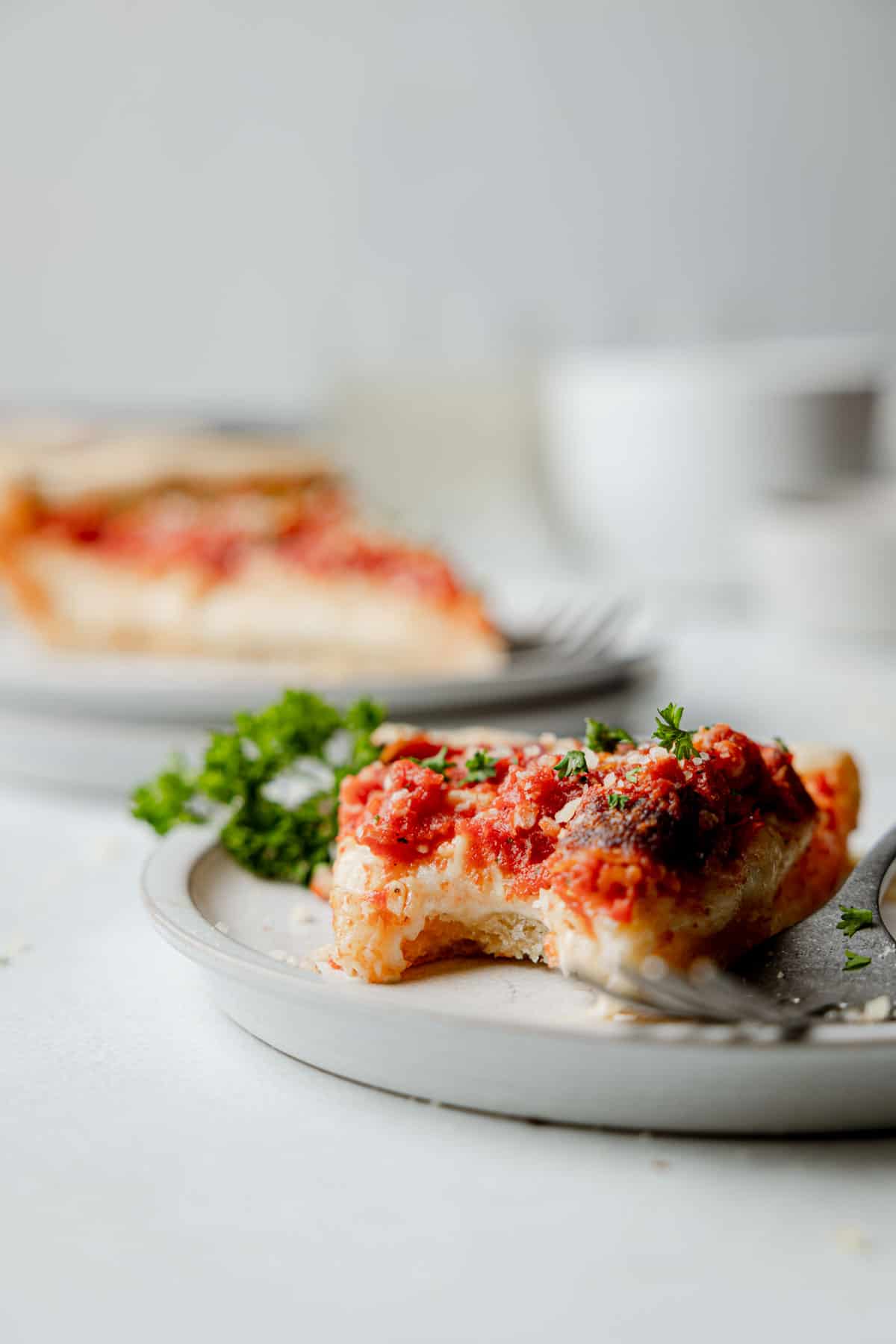
- Let it rest! When you remove the pizza from the oven, let it rest for about 10 minutes before slicing so the cheese doesn't ooze out everywhere.
Gluten-Free Yeast Breads
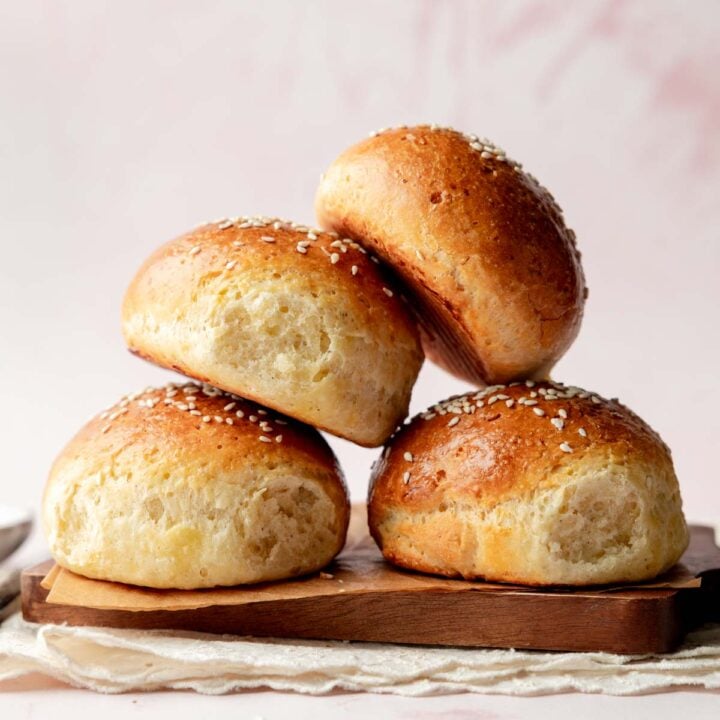
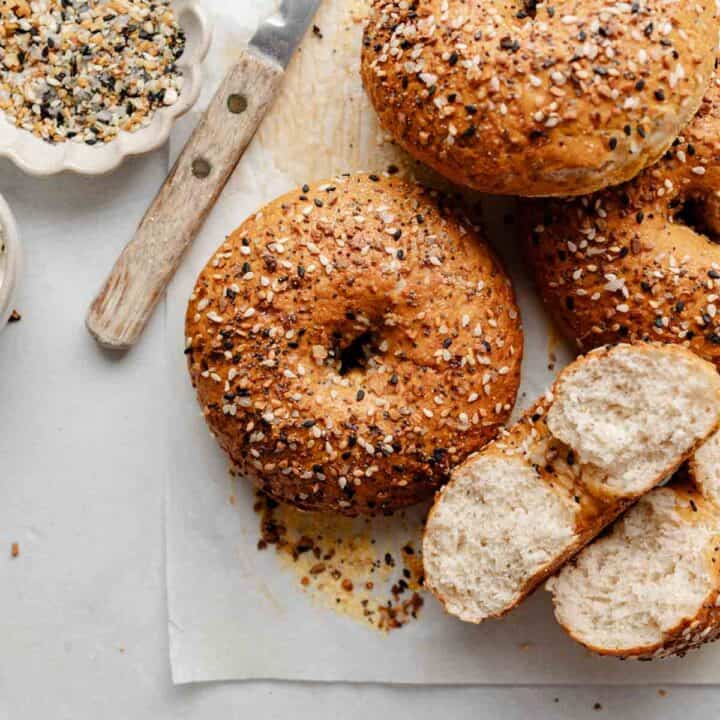
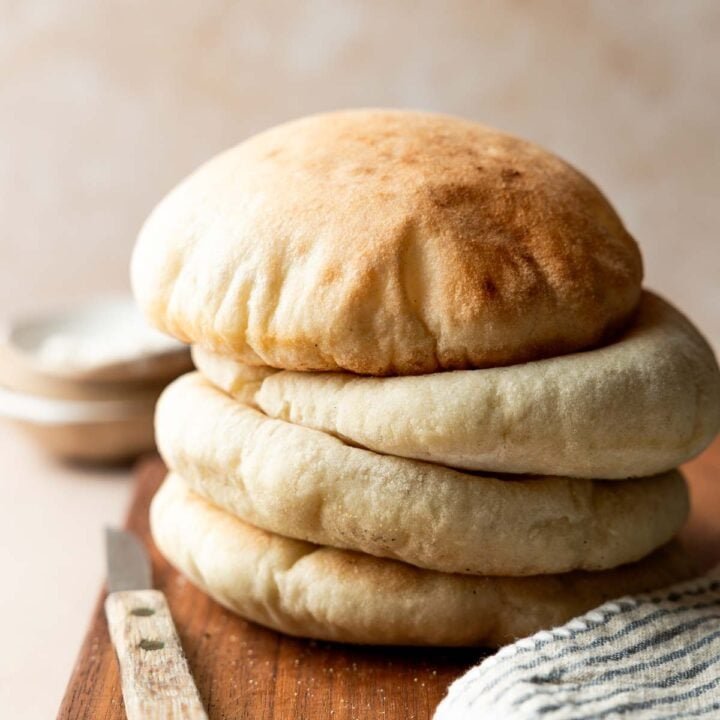
If you love using Fioreglut, it's great for more than just pizza! Try out some of my other gluten-free yeast bread recipes!

Recipe

Gluten-Free Chicago Deep Dish Pizza
Equipment
Ingredients
Deep Dish Pizza Dough
- 225 g Caputo Fioreglut gluten-free flour
- 25 g cornmeal
- 8 g kosher salt
- 5 g instant yeast (Rapid Rise or Bread Machine)
- 190 g water (warmed to 120-130°F)
- 113 g butter (softened)
Tomato Sauce
- 28 ounces crushed tomatoes
- 2 cloves garlic (minced)
- 1 teaspoon Italian seasoning
- ¼ teaspoon kosher salt
- ⅛ teaspoon black pepper
Toppings
- 4 ounces provolone cheese (sliced or shredded)
- 12 ounces mozzarella cheese (shredded)
- 2 ounces grated parmesan cheese (divided)
- desired toppings (such as Italian sausage, pepperoni, or sliced onions and green bell pepper)
Instructions
Make the Dough:
- In a mixer bowl, whisk together the Caputo Fioreglut gluten-free flour, cornmeal, kosher salt, and instant yeast.
- Gradually add the warmed water (120-130°F) to the dry ingredients while mixing on medium speed. Blend until combined.
- Add the softened butter to the dough and continue mixing until fully incorporated and the dough is smooth, about 2 minutes, scraping the sides as needed.
- Transfer the dough to a greased bowl, cover with a kitchen towel or plastic wrap, and let it rise for 1 hour.
- Optionally, refrigerate the dough, keeping it covered, for at least 1 hour or overnight (this makes the dough easier to work with).
Make the Tomato Sauce:
- Place a fine mesh strainer over a small bowl and pour the crushed tomatoes into it, allowing excess moisture to drain. Gently press the tomatoes to remove any excess juice.
- Place the strained tomatoes in a bowl. Add the minced garlic, Italian seasoning, kosher salt, and black pepper. Stir to combine and set aside.
Assembling the Pizza:
- Preheat the oven to 425°F.
- Generously grease a cast-iron or deep-dish pizza pan with softened butter. Sprinkle with a light dusting of cornmeal and some of the parmesan cheese.
- Roll out the pizza dough on a piece of parchment paper, making it about 2 inches wider than your pizza pan.
- Transfer the dough to the pan and press it evenly across the bottom and up the sides. If the dough extends beyond the top edge of the pan, gently fold it under and press to align with the top edge.
- Layer provolone cheese slices on the dough, followed by shredded mozzarella cheese. Sprinkle half of the remaining grated parmesan cheese over the mozzarella.
- Add desired toppings, then dollop and spread the tomato sauce evenly over the cheese and toppings. Sprinkle with parmesan cheese.
- Bake the pizza in the preheated oven for 40-60 minutes, or until the crust is golden brown and the center is hot and puffed. The internal temperature should reach 190°F or higher.
- Remove the pizza from the oven and, if desired, sprinkle with additional parmesan cheese. Allow it to cool for about 10 minutes before slicing and serving.
Notes
- Weigh your ingredients. For the most accurate results, use a digital kitchen scale to measure the dough ingredients. Click the US/Cups button at the top of the list of ingredients for alternate measurements.
- Plan ahead. The dough is easiest to work with when cold so plan to make the dough a few hours or even a day beforehand.
- Watch your baking times. Depending on the pan you use, your pizza may cook quicker or need longer to bake. A thin aluminum pan is going to bake faster than the cast-iron pan.
- Caputo Fioreglut is gluten-free but does contain gluten-free wheat starch and is not suitable for a wheat allergy.
Save This Recipe!
Estimated Nutrition
* Nutritional information is provided as a courtesy and should be used as an estimate only. See the nutrition policy for more information.
Recipe FAQs
Caputo Fioreglut is hands down the best gluten-free flour blend for pizza. This versatile flour is designed to mimic the texture and performance of traditional wheat flour in gluten-free baking, especially yeast breads and pizzas.
Typically, pizza is not gluten-free unless advertised as such. Pizza dough is traditionally made with wheat flour.
Unless it is stated that the dough is specifically made with gluten-free flours, pizza dough contains gluten. Pizza dough is usually made with some form of wheat flour, like all-purpose flour or 00 flour.
Mozzarella cheese is inherently gluten-free. This includes the block forms and pre-shredded varieties.
Barb T says
This pizza was AMAZING!! I made the dough the day before, let it rise then put it in the fridge until the next day. FYI -- It's a fairly loose, sticky dough, but that's normal. Rolling it out from the fridge makes it much easier. The crust was so flaky and delicious! In my pantry I had fire roasted crushed tomatoes so I used that for the sauce without needing any extra spice/garlic since it seemed to be included. Everything came together really well. The little bit of left over I had re-heated perfectly in the toaster oven. Thank you so much for this recipe. I may even try to use this recipe crust for a regular pizza 🙂
Barb T says
Forgot to mention I also used uncooked mild sausage. I took 2 sausages out of their casings and dropped pieces of them evenly over the cheese then I put the sauce on. Oh my gosh, every time I bit into a piece of sausage it made the pizza even more divine! As you can guess, I love good food 😀
Karen Schulte says
Amazing crust for GF. Stickier than regular pizza dough but bakes up fine. I made mine in an iron skillet.
Becca says
My flour isn’t balling up when I add the water. Is this okay or should I add more water?
Katie Olesen says
Yes, maybe your conditions are a little dry. You can add just a tiny amount of water at a time until it comes together.