



As a gluten-free recipe developer, I've created over 15 gluten-free yeast bread recipes. Through all that testing, I've found instant yeast has consistently been the most reliable. It's easier to use and works very well for gluten-free baking.
I've used instant yeast in everything from gluten-free cinnamon rolls to gluten-free pizza dough, and it continues to be my go-to. So what makes it such a great fit for gluten-free breads? Let's break it down.
What is Instant Yeast? (And Why It's Different.)
What makes Instant yeast unique is how it's processed compared to active dry yeast. Instant yeast is grown with more nutrients, dried to a lower moisture content, and milled into finer granules.
That fine texture allows the yeast to fully hydrate during mixing without the need to dissolve it in water first. Some types of instant yeast also contain ascorbic acid, which can help improve dough strength and loaf volume.
Instant Yeast Makes Gluten-Free Bread Easier
Instead of dissolving the yeast in liquids, you blend it in with the dry ingredients. Because it's milled into finer granules, the yeast cells rehydrate almost instantly when liquid is added. This eliminates an entire step in the bread-making process.
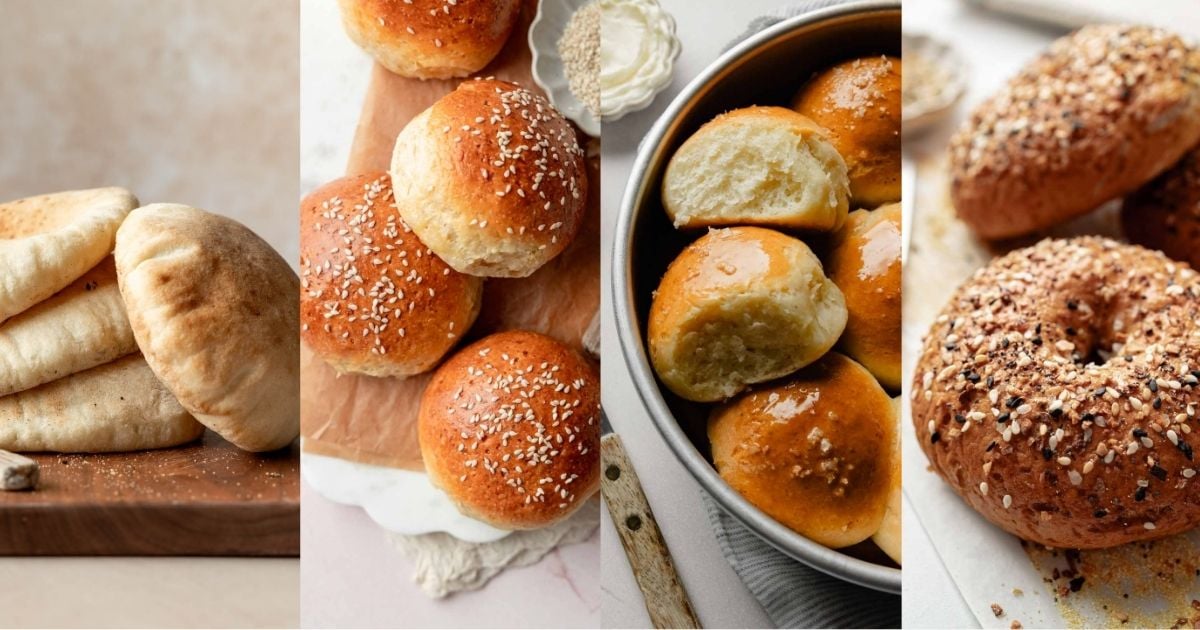
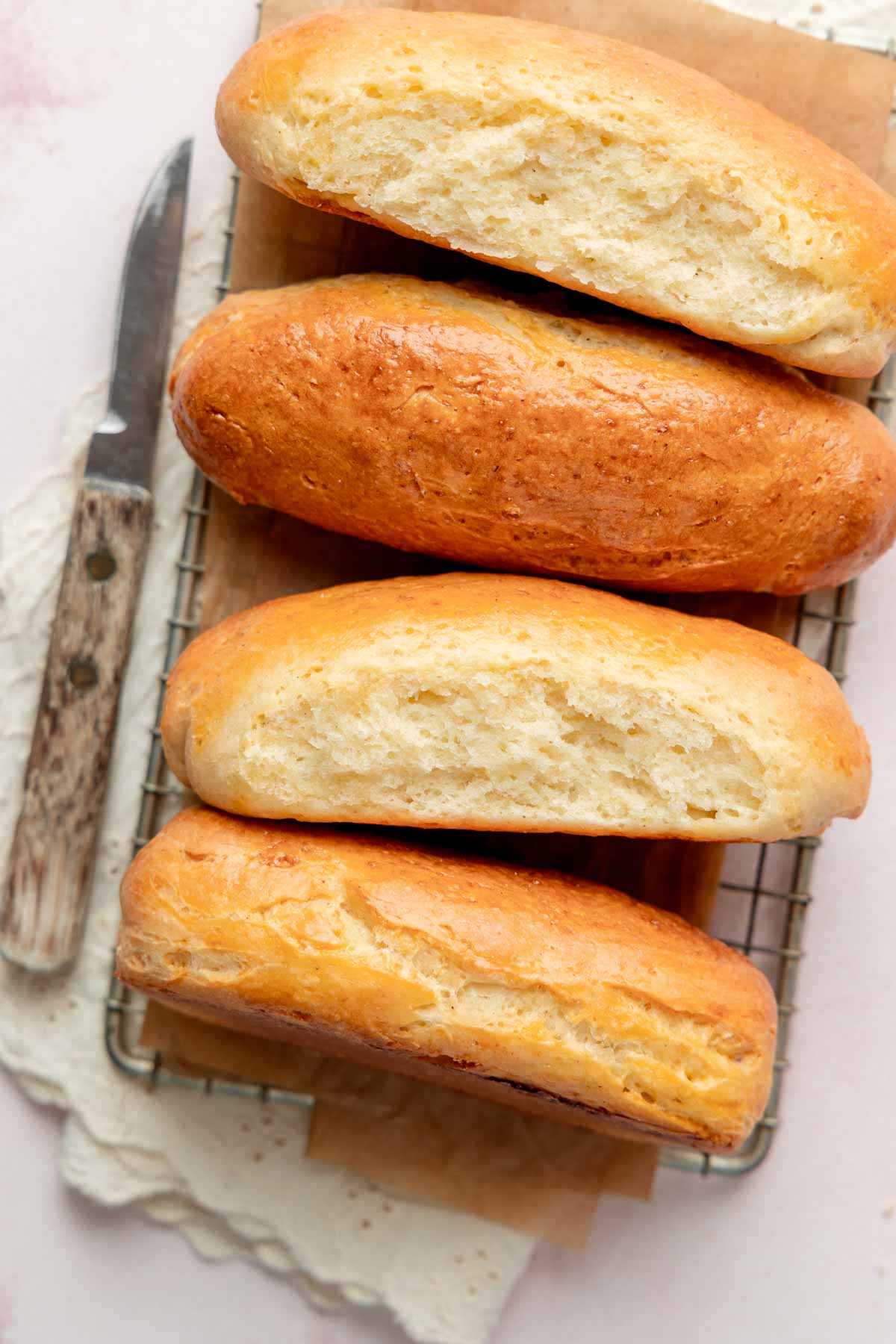
You can see how well this works in my gluten-free hot dog buns, where the yeast is mixed right in with the dry ingredients.
While some might be wary of not having the "proof" their yeast is active before baking with it, rest assured, instant yeast is often more reliable because it contains more live cells than active dry yeast.
Quick Activation and Just One Rise
One of the best things about instant yeast is how quickly it gets to work. As soon as you mix in warm liquid, the dough starts fermenting almost immediately.
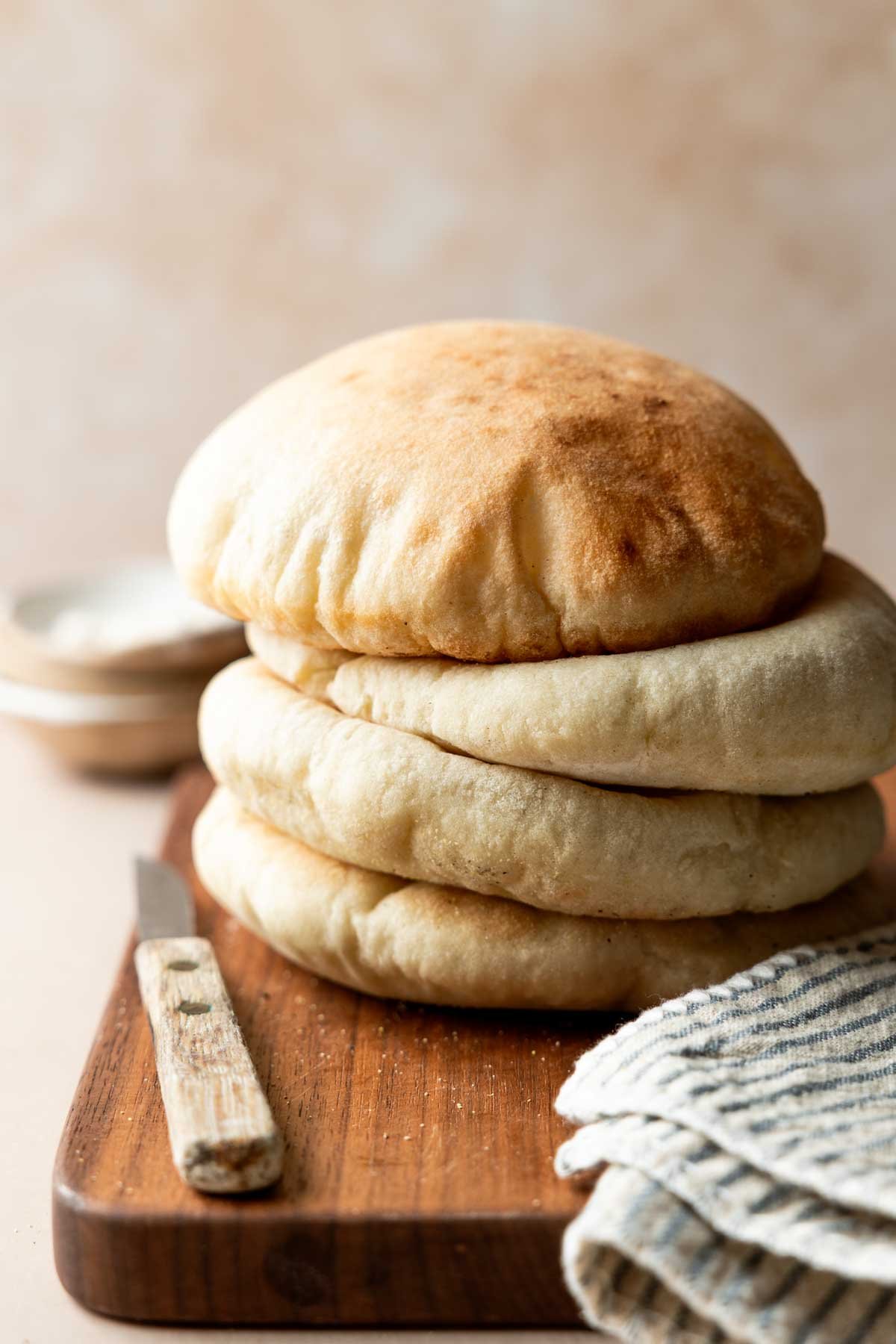
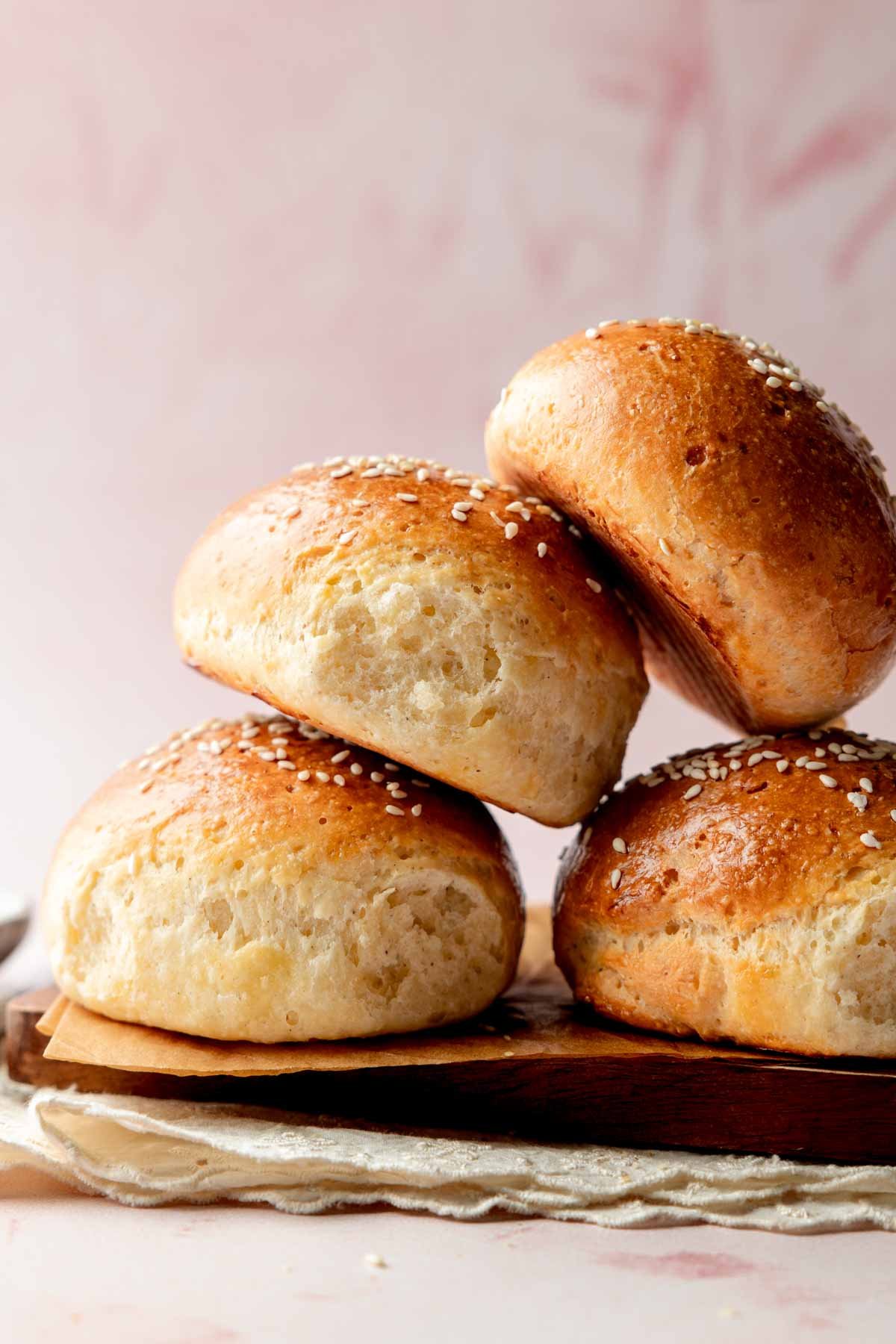
This shortens the rise time, meaning most of my gluten-free breads are ready to bake after just 45 minutes. These small-batch gluten-free hamburger buns and gluten-free pita bread are great examples.
Save This Recipe!
Instant yeast also skips the need for a second rise, unlike active dry yeast, which often needs that extra time to fully activate. And that's a win for gluten-free dough, which typically lacks the structure to handle a second rise anyway. Over-fermenting can lead to large air pockets, weak structure, and that dreaded gummy texture.
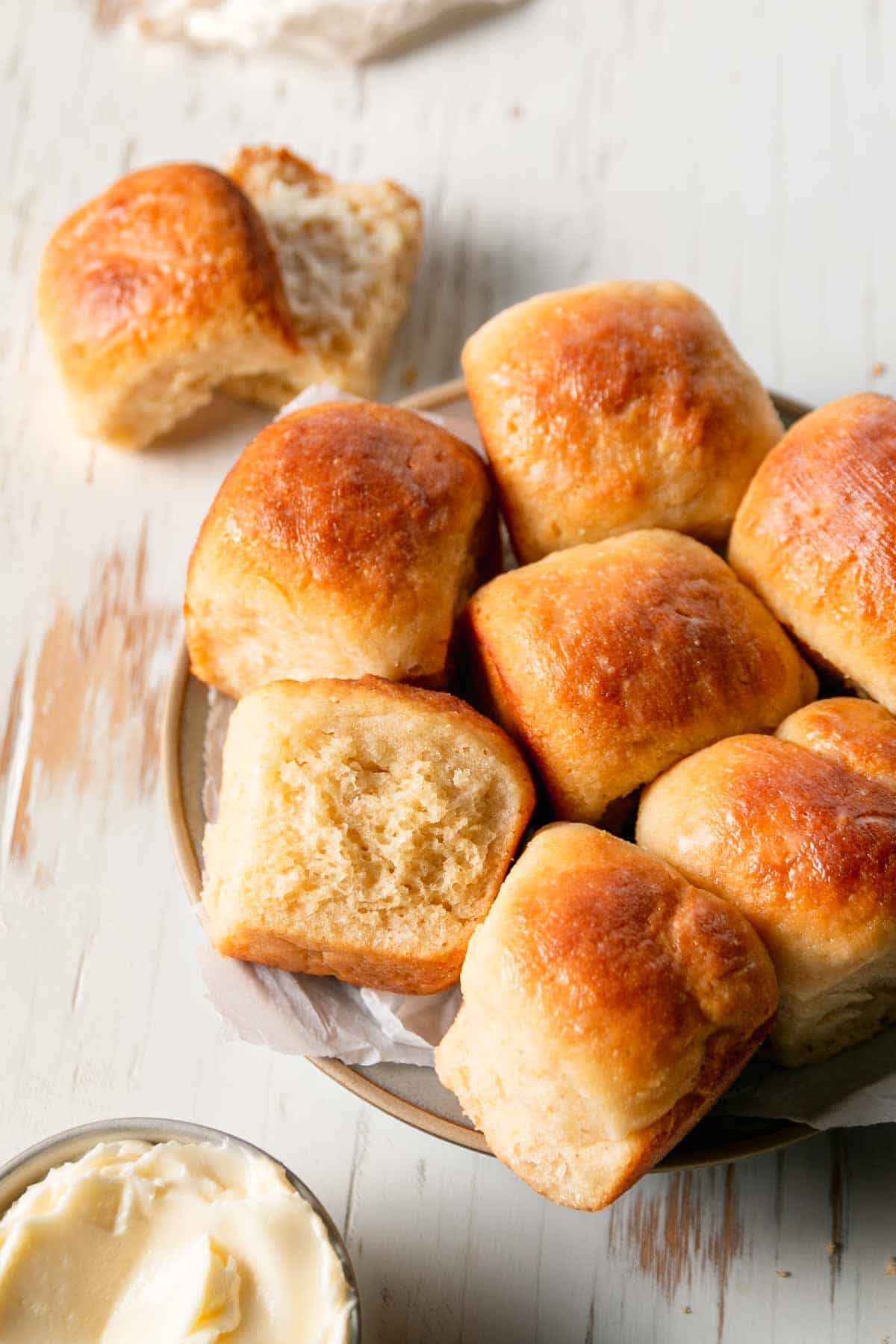
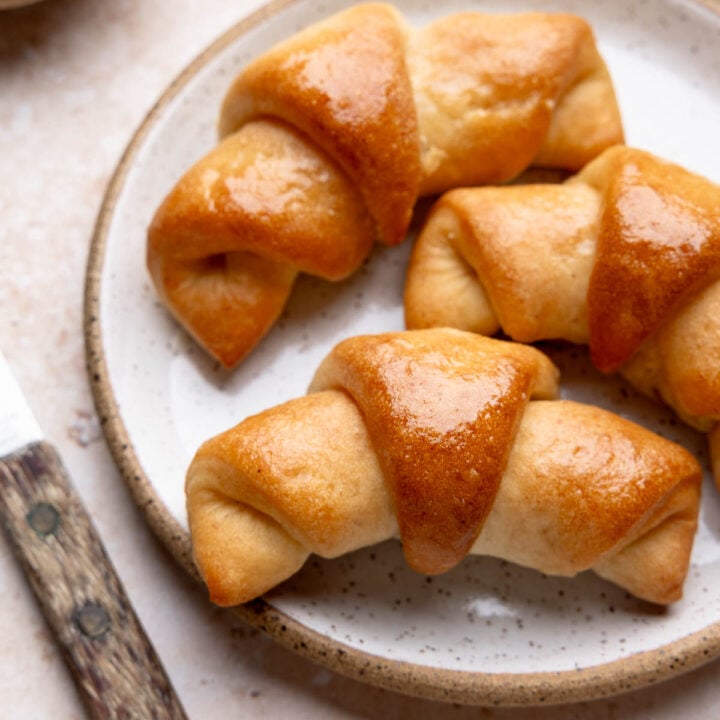
Just look at my gluten-free Hawaiian rolls-they only need one rise and still bake up soft and pillowy.
Should I Proof Instant Yeast?
You don't need to proof instant yeast. That time-saving step is one of the biggest reasons I always choose instant yeast.
If you're not sure whether it's still active, you can proof it in warm water like active dry yeast, but that cancels out its quick-rise benefits.
Your best bet is to use the yeast before the expiration date. Store opened yeast in the fridge, tightly sealed, and use within 3-4 months.
Other Names For Instant Yeast
- RapidRise
- Bread Machine
- Quick Rise
- Fast Acting
The main difference between these is in the name and branding. This is all the same yeast and can be used interchangeably.
Is All Instant Yeast Gluten-Free?
No, not all instant yeast is gluten-free. Some instant yeasts can contain dough enhancers or other ingredients made from wheat. Most notably, Red Star Platinum Yeast and Red Star Organic Yeast contain wheat.
Which Instant Yeast is Gluten-Free?
- Anthony's Instant Dry Yeast Packets
- Fleishmann's Instant Yeast and Bread Machine yeast - This is the brand I use most frequently.
- Red Star Quick Rise Instant Yeast
- Saf Instant Yeast



Final Thoughts
I love baking with instant yeast because it keeps things simple. No need to proof it, no second rise, and no extra steps. It truly makes baking gluten-free bread feel so much easier because it works with how gluten-free dough behaves, not against it. If gluten-free yeast breads have felt overwhelming, switching to instant yeast might just be the confidence boost you need.

Comments
No Comments