


I've been using psyllium husk in my gluten-free yeast breads for years, testing both whole husk and the powdered version along the way. While you can use either one in your recipes, after plenty of side-by-side bakes and texture comparisons, I've found a personal favorite.
In this post, I'll walk you through the differences between whole and powdered psyllium, how each one behaves in gluten-free dough, and why I prefer using one over the other in my own recipes.
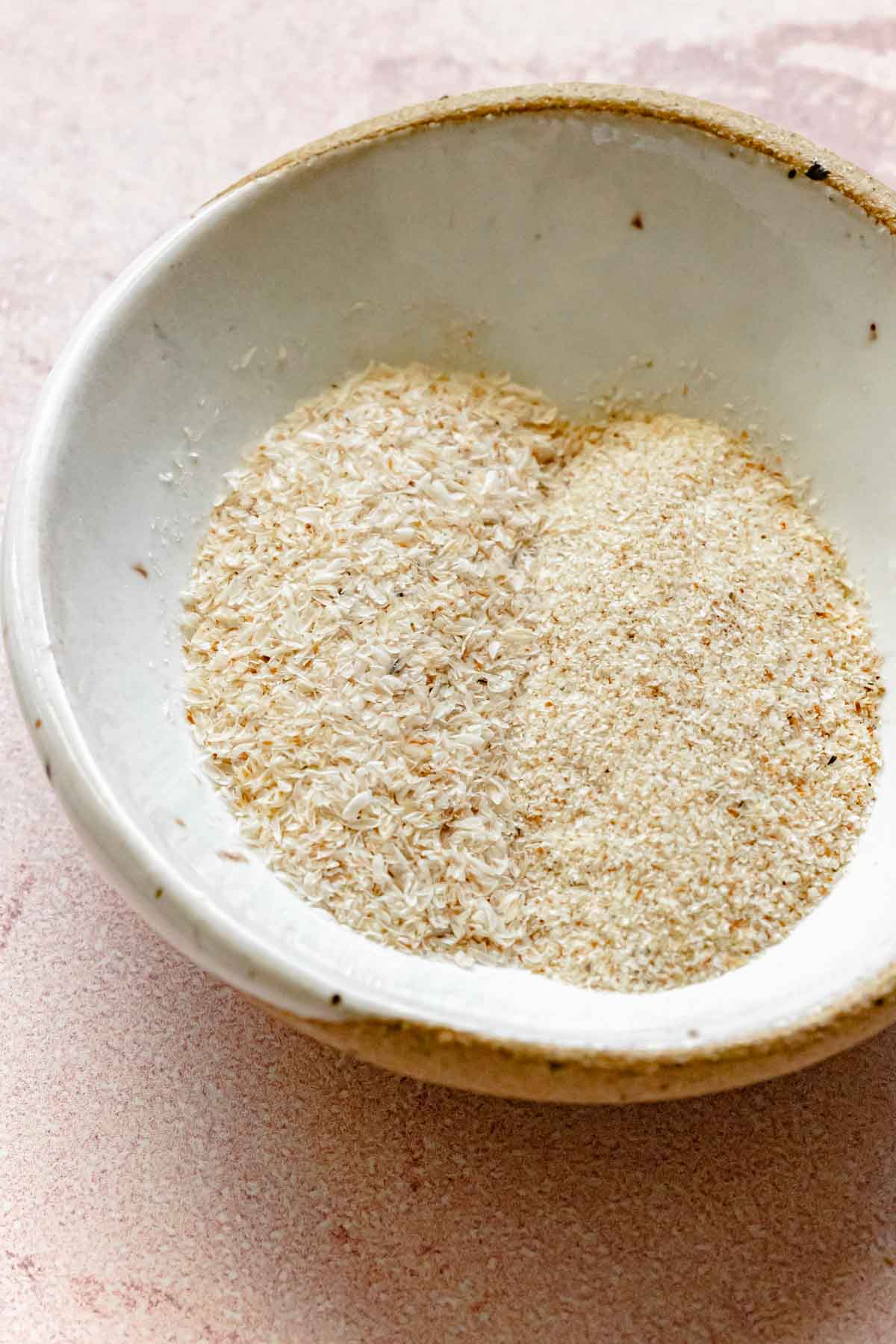
Why Use Psyllium Husk In Gluten-Free Baking
Psyllium husk is one of my favorite tools in gluten-free bread baking. Adding it to your dough is a great way to improve structure and elasticity. It readily absorbs water and forms a thick, gloopy gel that acts a lot like gluten, helping your dough hold together and rise better.
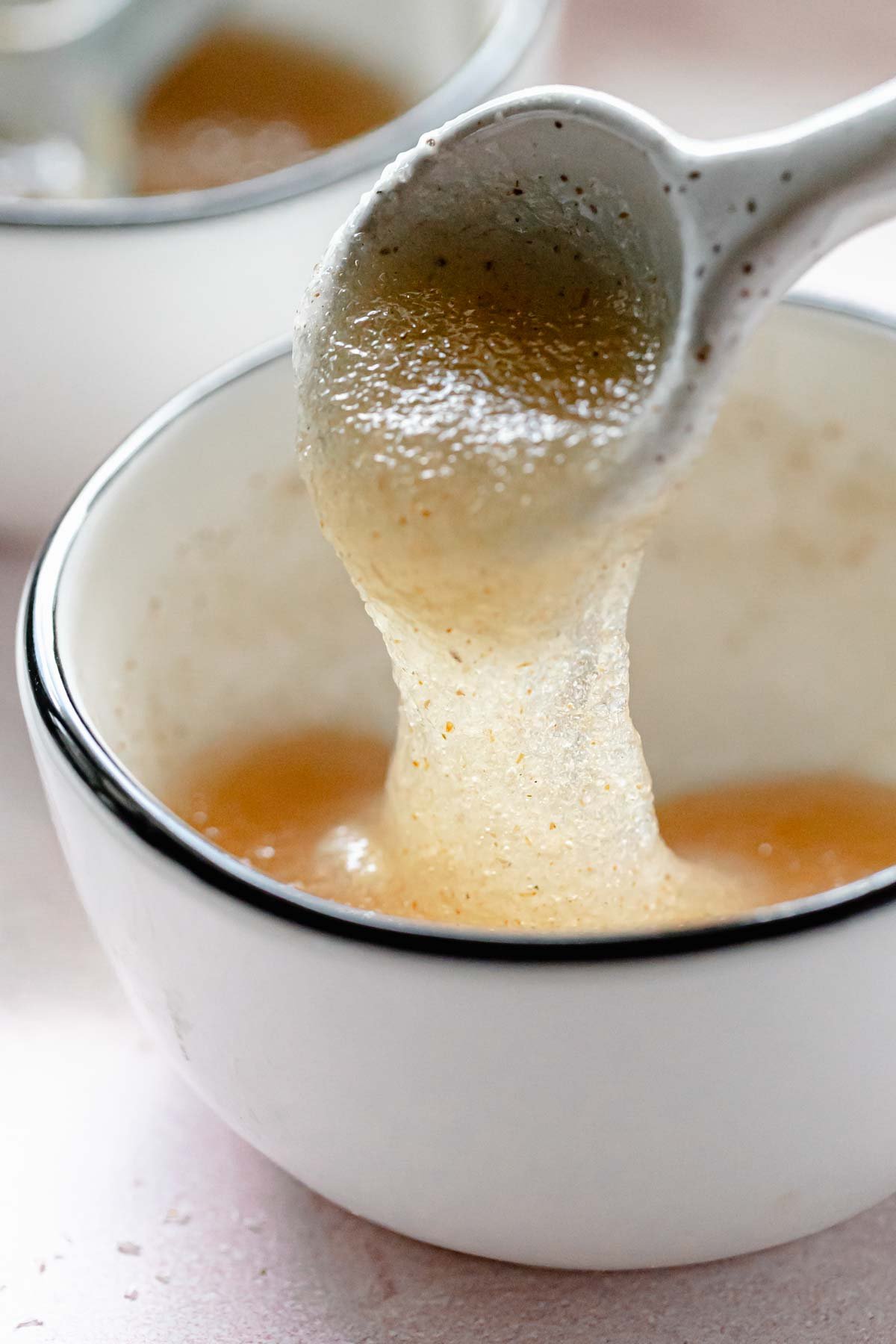
Since psyllium is so highly absorbent, it also allows you to increase the hydration of your dough, which means you can get a lighter, more open crumb while still keeping the dough workable.
Whole vs. Powdered Psyllium Husk
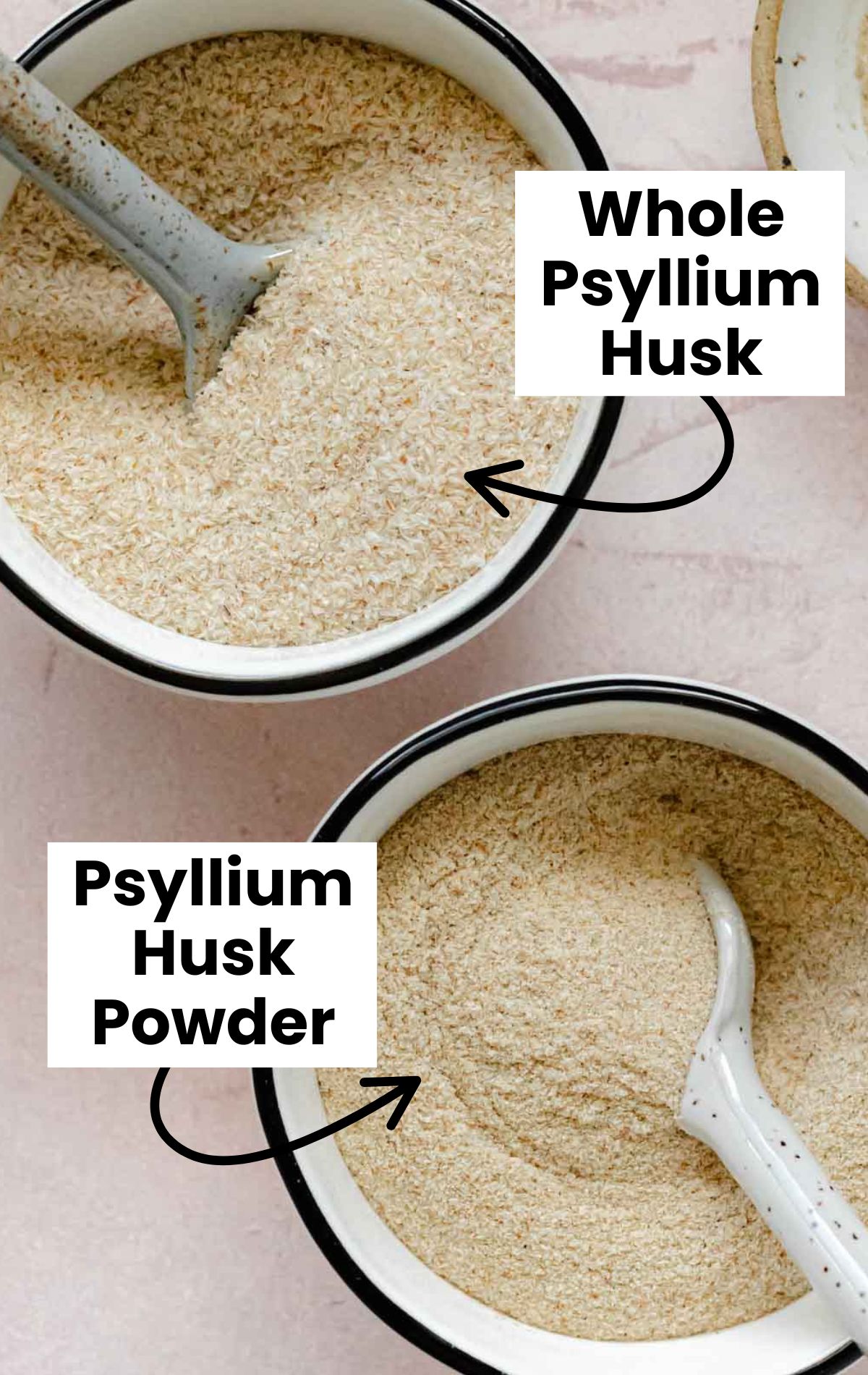
Whole psyllium husk is the natural, flaky form of the husks from Plantago ovata seeds. Powdered psyllium is simply the same husks that have been finely ground.
The key difference is how they absorb water. The powdered version has more surface area, making it more efficient at absorbing water. That means it can absorb more water, faster.
That's why you'll want to use a bit less powder if your recipe calls for whole husk. And if you're swapping in whole husk instead of powder, you'll need slightly more.
Two Ways to Use It: Gel Method vs. Dry Mix
There are a couple of ways to add psyllium to your dough, and both ultimately help improve the structure and texture of gluten-free breads.
Save This Recipe!
Some bakers mix psyllium with water first to form a gel, then work it into the dough until it's smooth and cohesive-either by hand or with a mixer. This method tends to work best with whole husk, which creates a softer, more flexible gel.
Others prefer to mix psyllium directly into the dry ingredients and add liquids afterward. This method works with either form, but I find powdered psyllium blends in more evenly here.
Why I Prefer Psyllium Husk Powder
Over the course of my recipe testing, I've developed a preference for psyllium husk powder. It works better with my style of recipes, which are easy to make and prep. I like the powder because it:
- Saves a step-you don't have to make a gel first.
- Mixes evenly into dry ingredients.
- Requires less time to rest and hydrate.
- Results in a smoother dough overall.
How to Adjust Between Whole and Powdered
I get asked all the time how to swap between whole psyllium husk and the powdered version, so I ran a quick kitchen experiment to find out. I mixed 3 grams of psyllium husk powder with 60 grams of water and let it sit for 15 minutes. Then I tested different amounts of whole husk to match the consistency. The sweet spot landed between 3.5 to 4 grams of whole husk for a similar-strength gel.
Here's what I found:
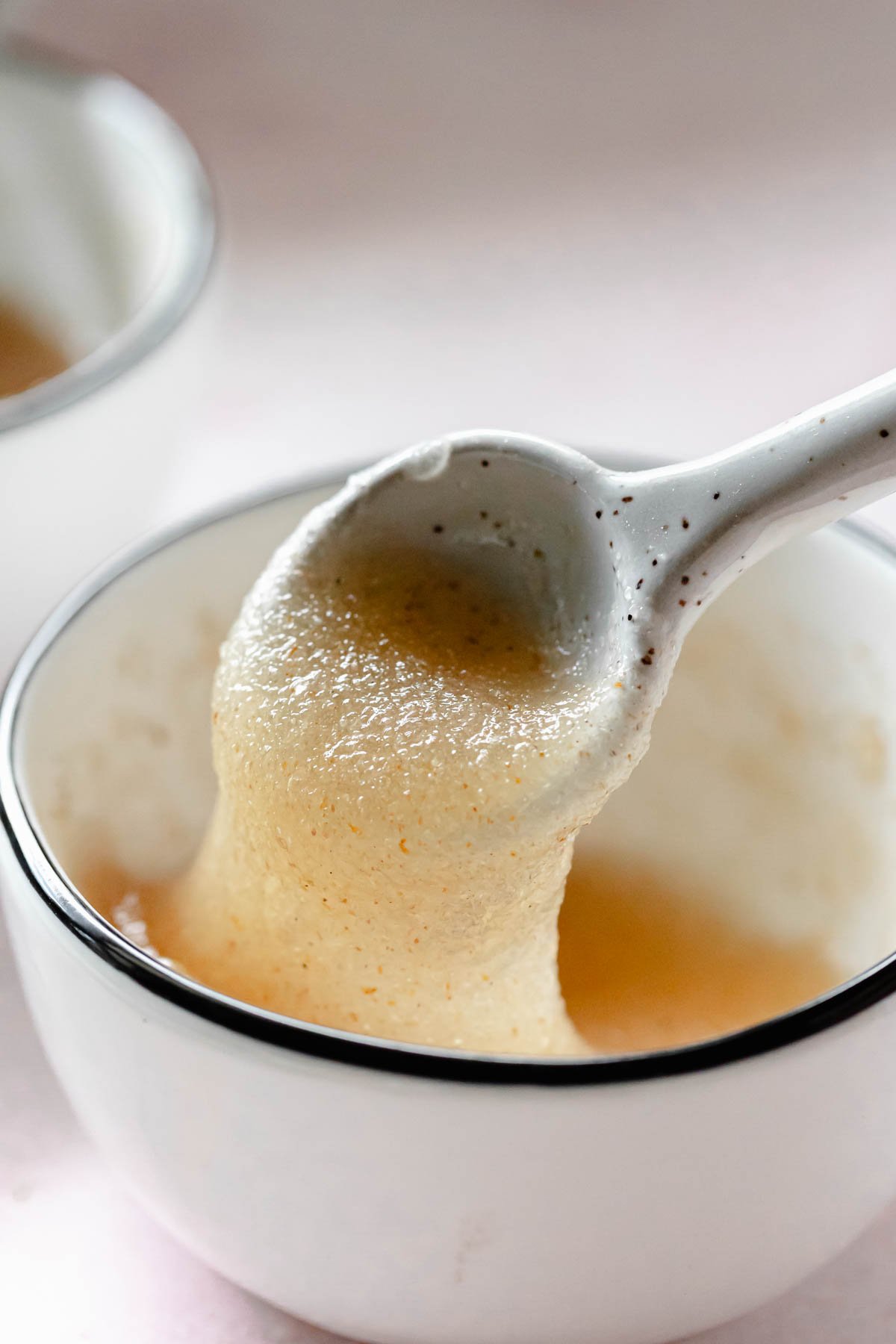
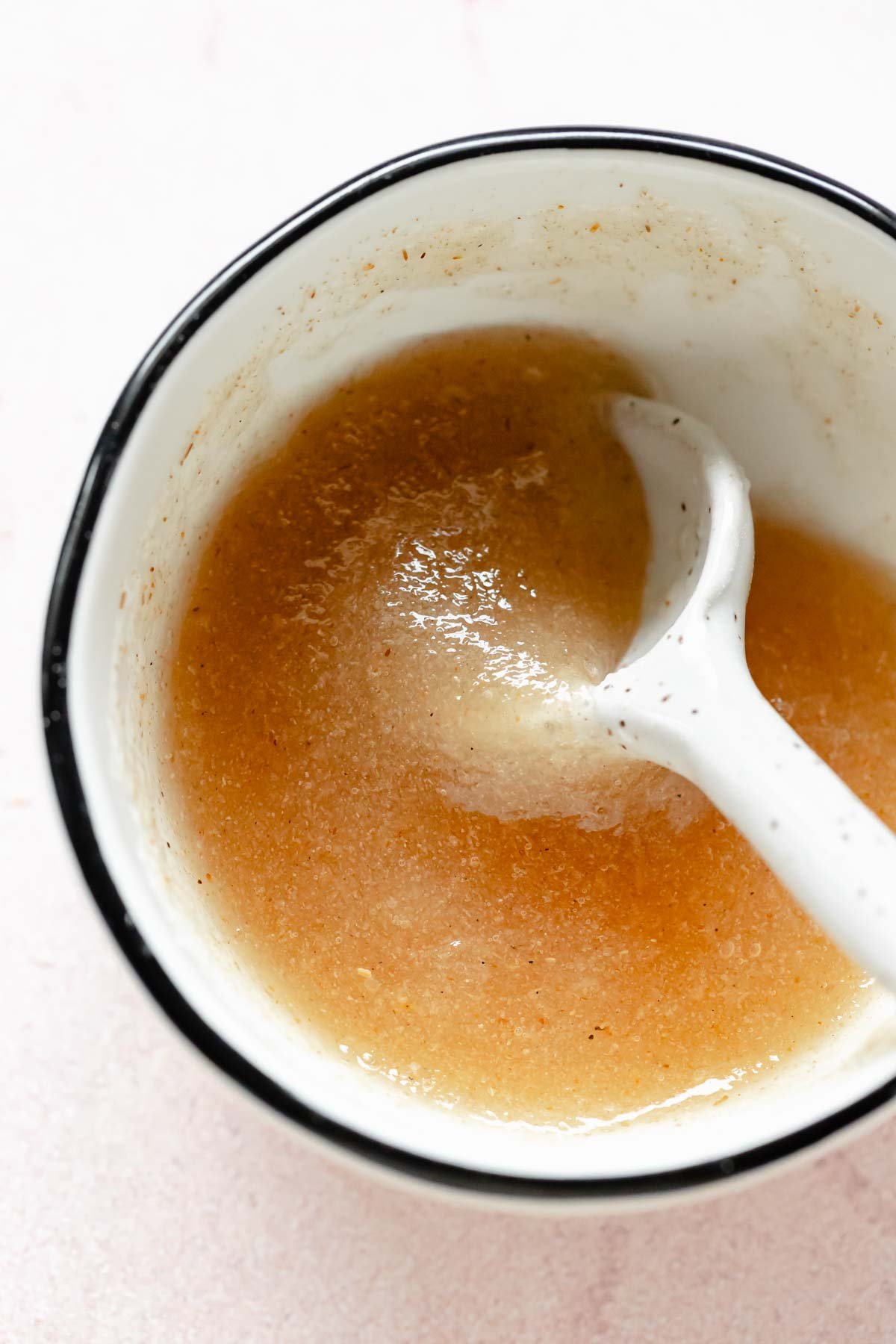
Powdered psyllium (3g) forms a smooth, cohesive gel.
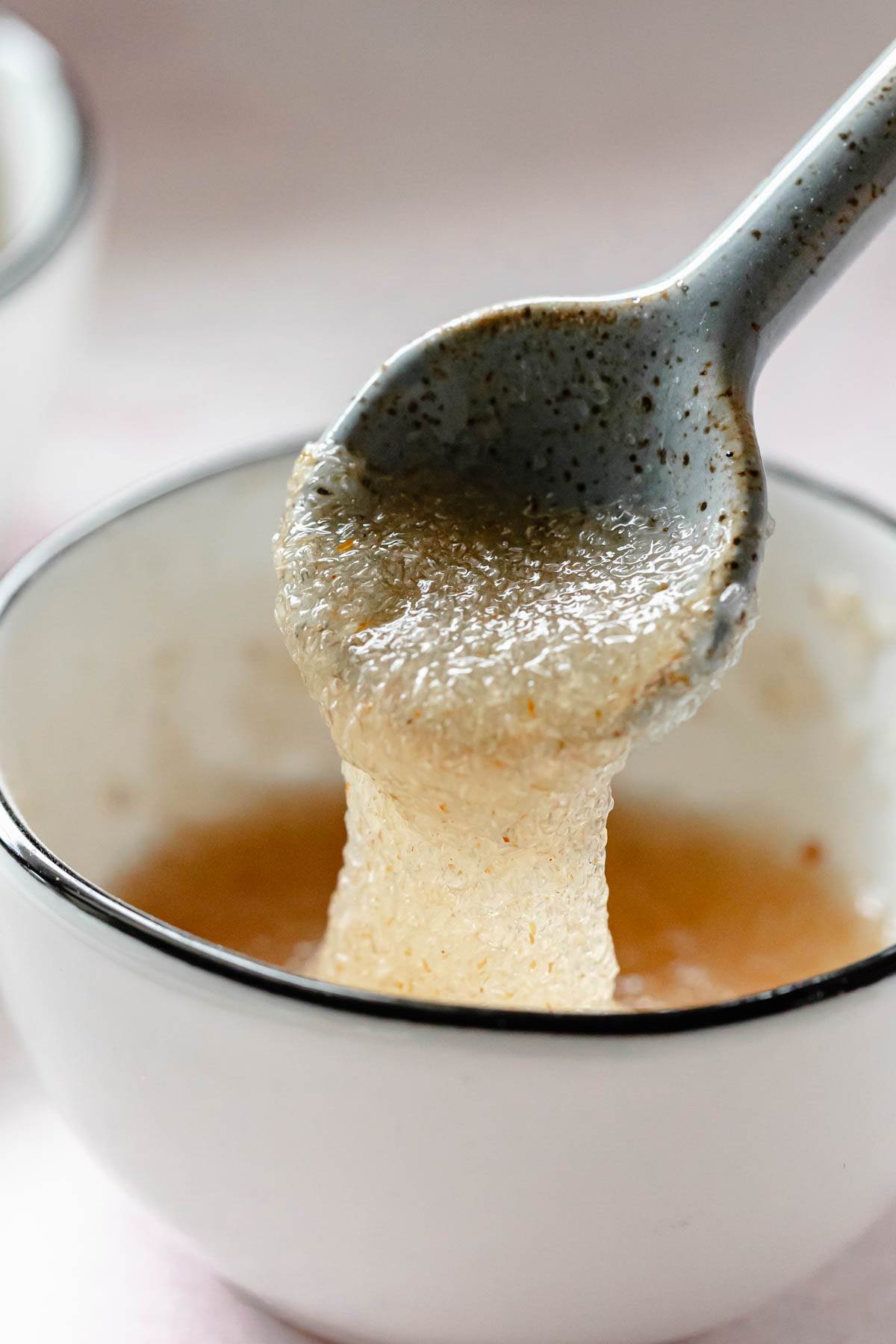
Whole psyllium husk (3.5g)
creates a gel with more texture and visible flecks, but the overall strength felt nearly identical.
Since the powder is more finely ground, it absorbs slightly more water by weight. As a general rule, you can use about 15-20% more whole husk than powder-or 15-20% less powder than whole husk.
That said, always let your dough guide you. If it's feeling stiff or dry, add a splash of water. If it's too loose, let it hydrate fully before making changes.
Quick Psyllium Conversion Tool
Still not sure how make the swap? Try my Psyllium Husk Conversion Calculator! It takes the guesswork out of swapping by weight or volume and helps you adjust recipes with confidence.
See Psyllium Husk in Action
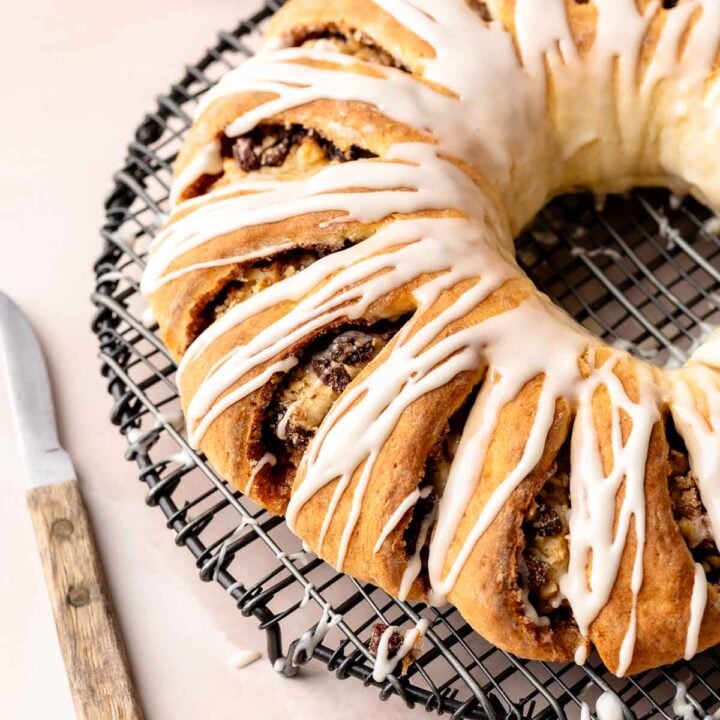
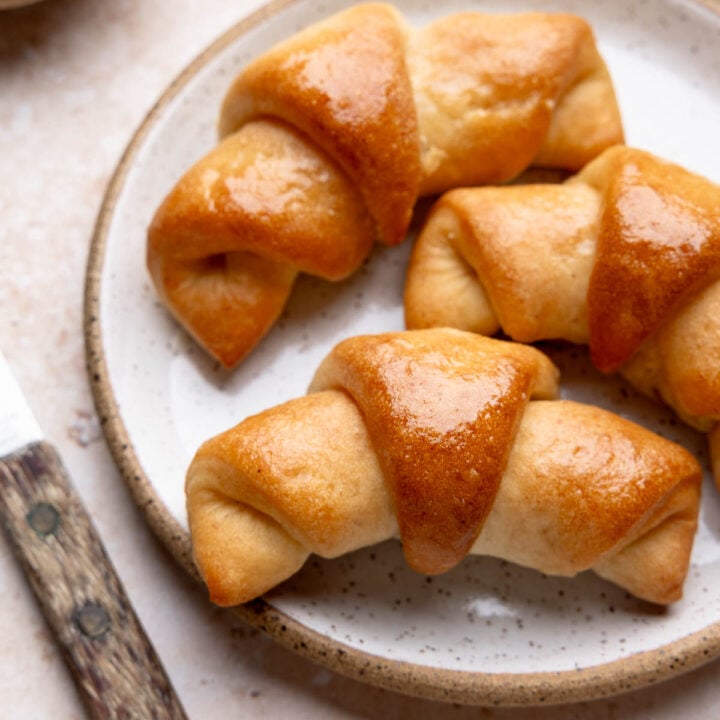
Many of my gluten-free yeast breads use added psyllium husk to improve structure and texture. Even my favorite gluten-free flour blend, Caputo Fioreglut, includes it as a binder.
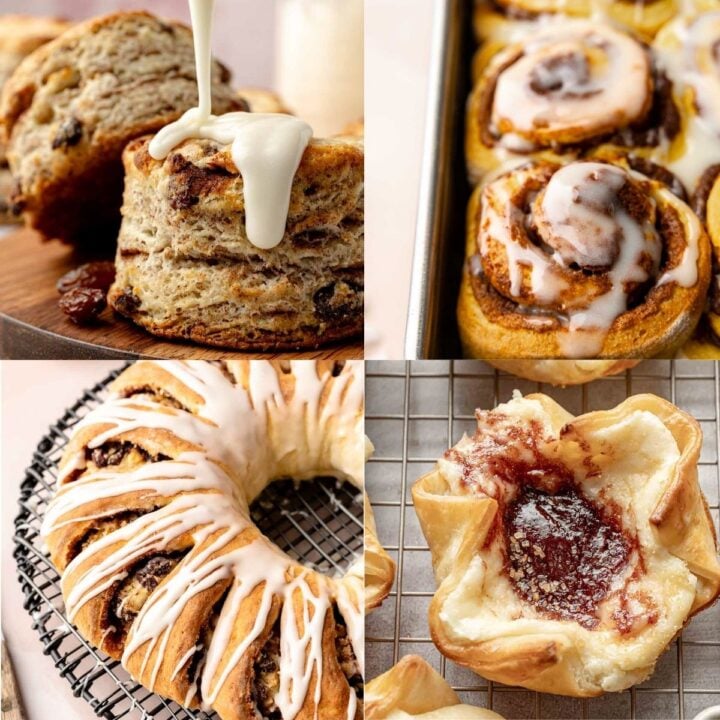
- Gluten-Free Swedish Tea Ring
- Gluten-Free Crescent Rolls
- Gluten-Free Cheesy Garlic Pull-Apart Bread
- Gluten-Free Pumpkin Cinnamon Rolls
- Easy Homemade Gluten-Free Bagels with Caputo Fioreglut
- Gluten-Free Cinnamon Rolls with Caputo Fioreglut
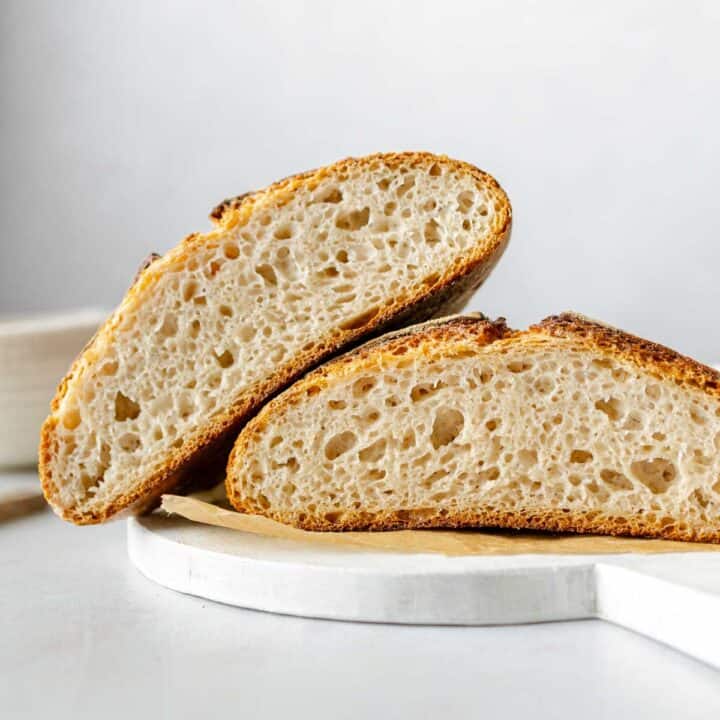
- Gluten-Free Sourdough Bread Recipe: Caputo Fioreglut
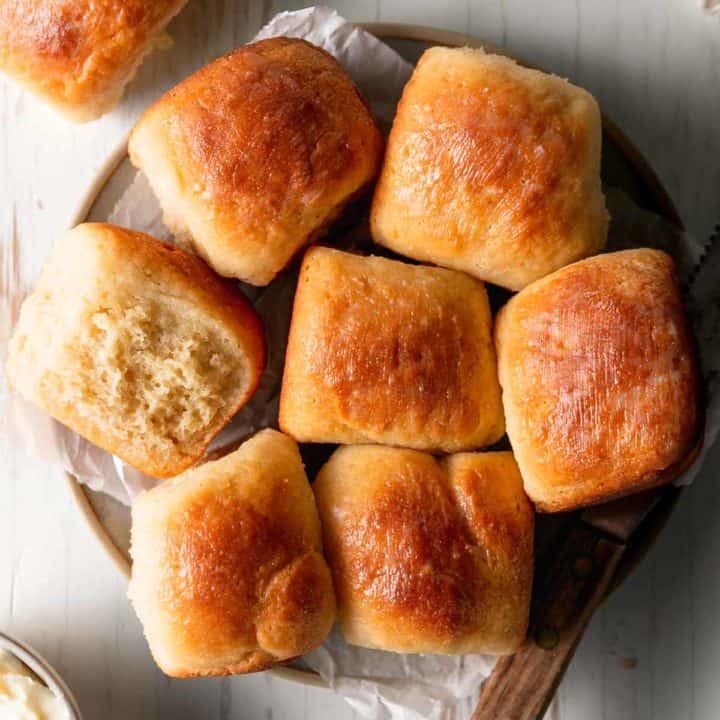
- Gluten-Free Hawaiian Rolls-Just One Rise!
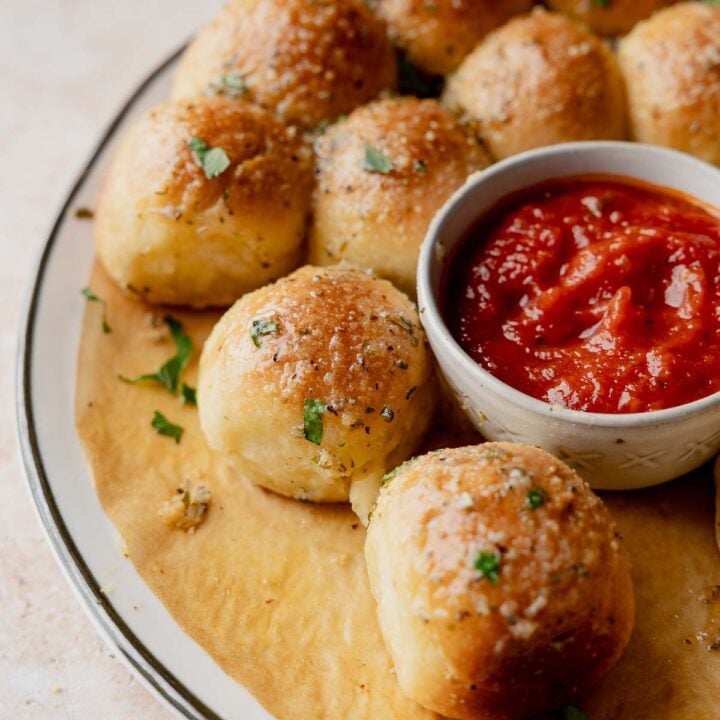
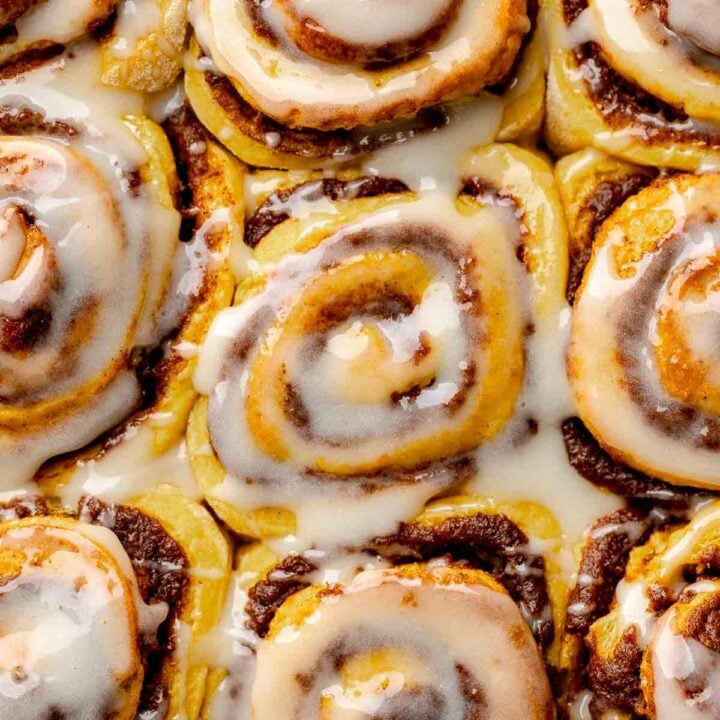
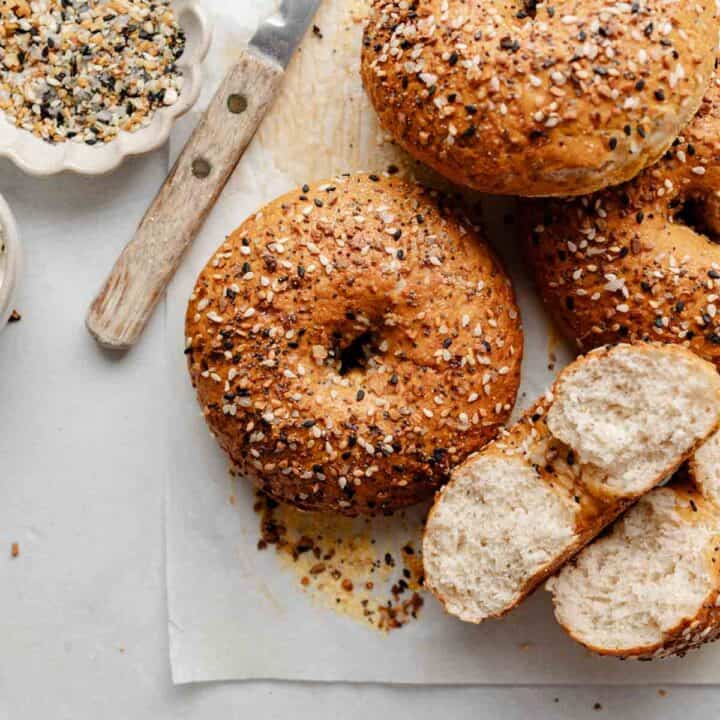
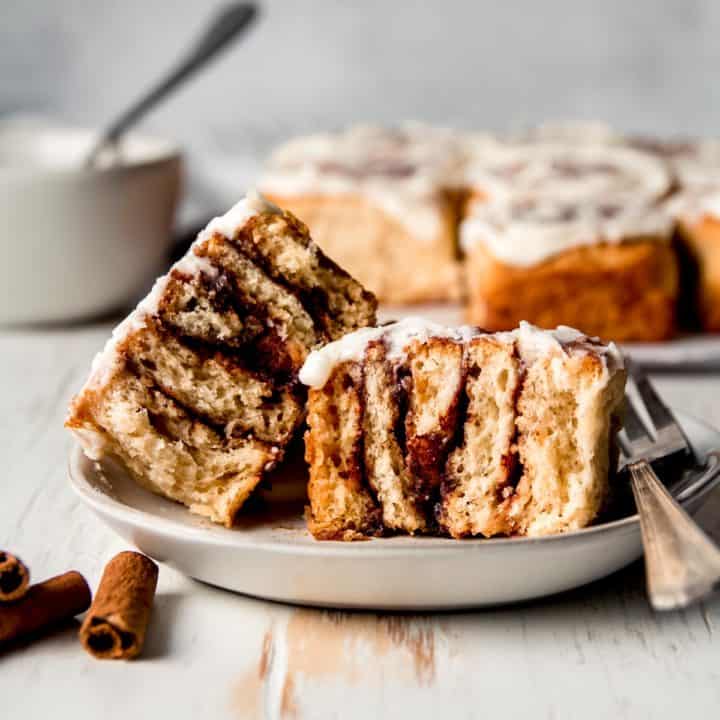
Final Thoughts
While I prefer to use psyllium husk powder in my gluten-free baking, there's simply no right or wrong way to use it. When following a recipe, use what the recipe calls for, but if you need to convert-use my calculator!
Psyllium Husk FAQs
If your flour blend already contains psyllium husk but the recipe is calling for more psyllium to be added, there is likely a reason for this. I tend to add a bit more psyllium to a recipe if I want to have a more workable dough, or a dough with a bit more structure.
I always recommend following a recipe as written, including the suggested brand of flour blend.
Yes. I have personally noticed that I don't like the structure of breads that have a very high amount of psyllium. They become overly dense, gummy, and just have a strange texture. In my own experience, a little goes a long way.
If your recipe is calling for the addition of psyllium husk, you can't just leave it out. Since psyllium is so absorbent, leaving it out will make the dough too loose. To date, I haven't found a perfect substitute for psyllium husk in a recipe.
Psyllium husk, whole or powder, will last a long time if stored properly. Store psyllium in a clean, dry, airtight container at room temperature.


Comments
No Comments