

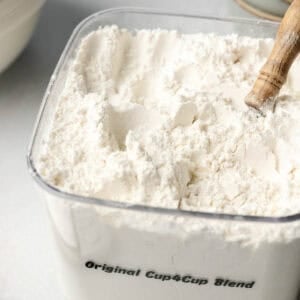
If you're looking for a way to recreate the original Cup4Cup multipurpose flour blend-the one with milk powder and cornstarch leading the ingredient list-look no further! This copycat recipe is just what you need to replicate that original blend in your kitchen. It's the perfect gluten-free pastry flour for all your baking needs!

Save This Recipe!
Jump to:
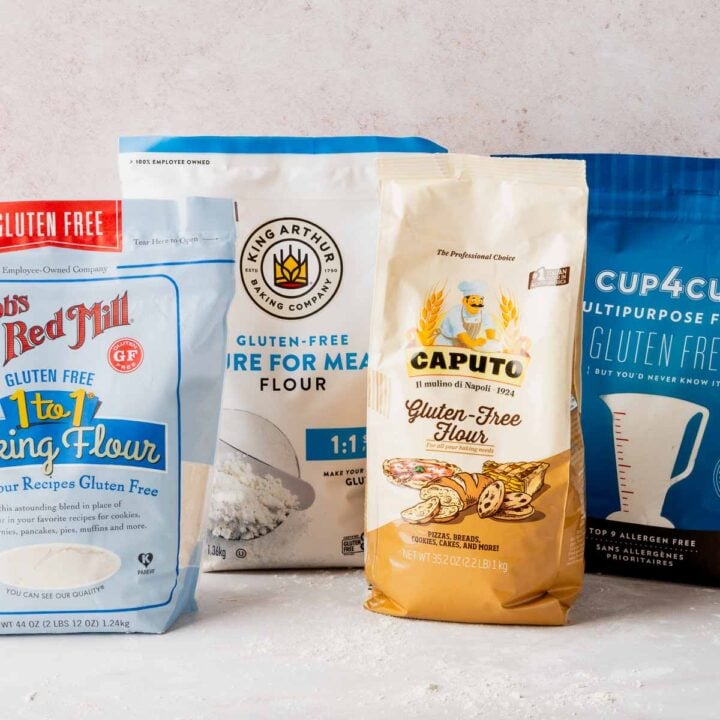
I've always been an advocate for using store-bought gluten-free flour blends. I prefer the convenience and ease of use and it simplifies your gluten-free baking to find the best gluten-free flour blends for what you're making.
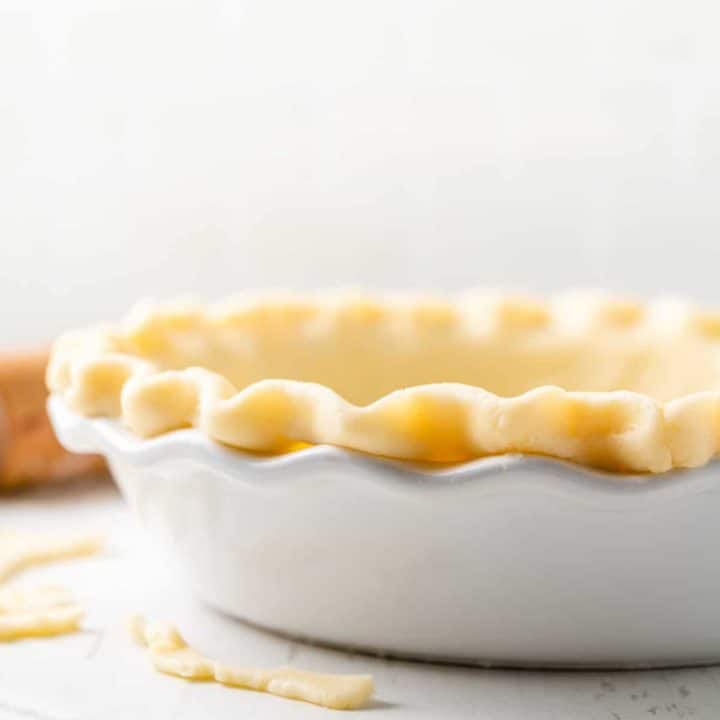
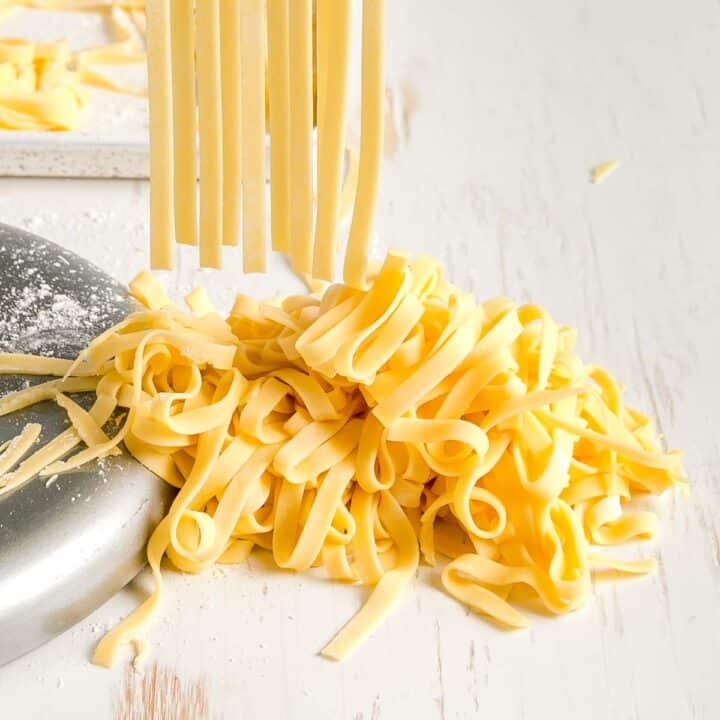
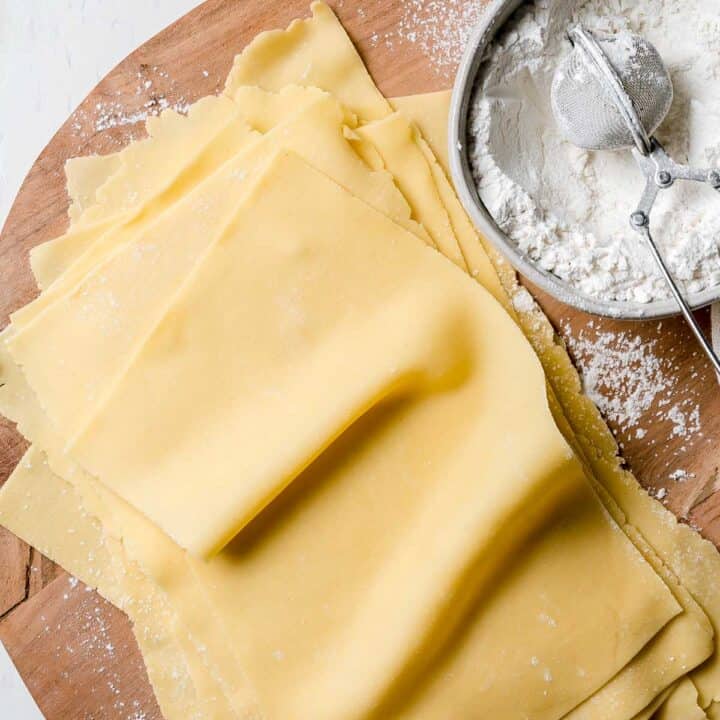
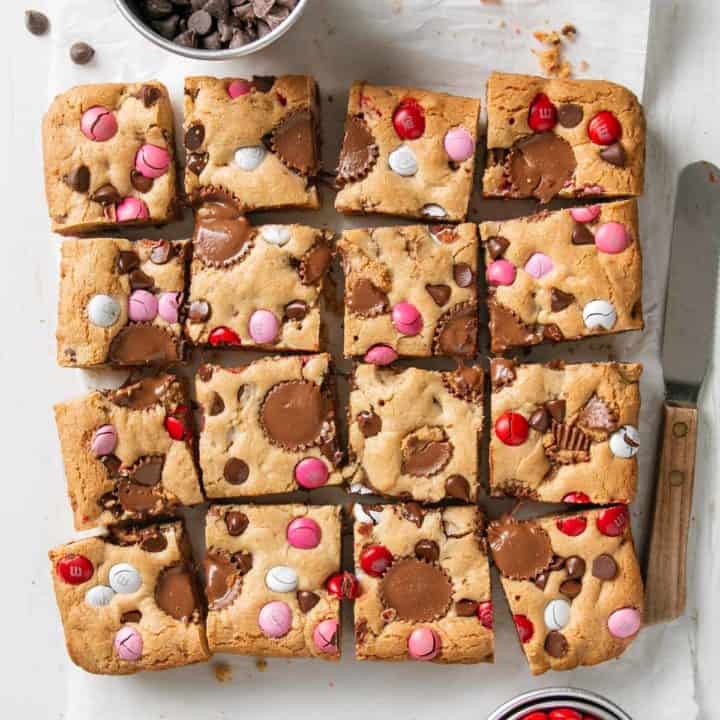
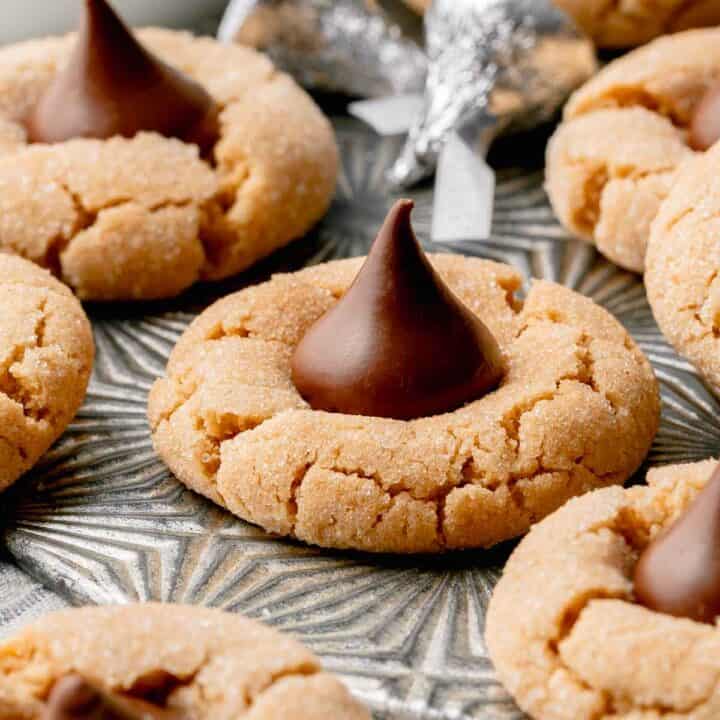
Cup4Cup gluten-free flour has always been a go-to of mine. It was the only flour that worked so well in many of my gluten-free recipes, like gluten-free pie crusts and homemade gluten-free pasta. It's also great for cookies, like these gluten-free peanut butter chocolate chip cookies, and quick breads, like my gluten-free banana bread. While it is one of the more expensive gluten-free blends, it was always worth it to me because it worked so well.
What Is Cup4Cup?
Cup4Cup is a commercial gluten-free flour blend that was developed by chefs at Thomas Keller's The French Laundry. It was designed to replace wheat flour in equal amounts, or cup for cup, in any recipe. It had a unique mix of cornstarch, rice flours, and milk powder, making it the go-to choice for delicate baked goods like gluten-free cakes, biscuits, and breads.
Changes to Cup4Cup Multipurpose Blend
In October 2024, Cup4Cup reformulated their multipurpose blend to remove milk powder and with that changed up the ingredient list-rice flour blend is now the first ingredient, rather than cornstarch. These changes have sparked questions and concern from many in Cup4Cup's loyal fan base.
While Cup4Cup maintains that these changes do not affect performance, many longtime users, including myself, are concerned about how these adjustments might impact our favorite recipes.
Why Consider a Homemade Blend?
Despite the benefits of pre-made mixes, there's something empowering about creating your own gluten-free flour blend. It puts you in control of your gluten-free diet, allowing you to adjust ingredients to meet your specific dietary needs and taste preferences. Homemade blends can also be more cost-effective and prevent any surprises from brand recipe changes. Taking charge of your flour mix ensures consistency in your baking and gives you a deeper understanding of your ingredients.
The success of this recipe also inspired me to create my own homemade recipe for Bob's Red Mill gluten-free flour as well!
Recipe Testing Notes
I took great care in my efforts to reverse engineer this flour blend. I wanted it to be as close to the original Cup4Cup multipurpose blend as possible. Based on the ingredient list and nutritional analysis, I think this is as close as you can get with a homemade blend to the original Cup4Cup multipurpose blend.
I've tested this flour on my pie crust, pasta dough, and biscuit recipes; it is working just as well as the original cup4cup blend. The pasta needs a bit more water though, so keep that in mind when you work with it if you're using that recipe. I plan to go in and tweak that recipe and will update here when it's done also.
For the best results and to avoid a grainy texture, use superfine rice flours. Make sure to look for labels that specifically mention 'superfine' when shopping, as this indicates they are very finely ground. This small detail is often missed and can make a huge difference in your recipes.
Update (12/23/24): I've decreased the amount of xanthan gum in the blend to about 2% because the previous 3% seemed to be too much for some recipes. If you prefer, you can always leave the xanthan gum out and add it as needed per your recipe.
Simple Ingredients
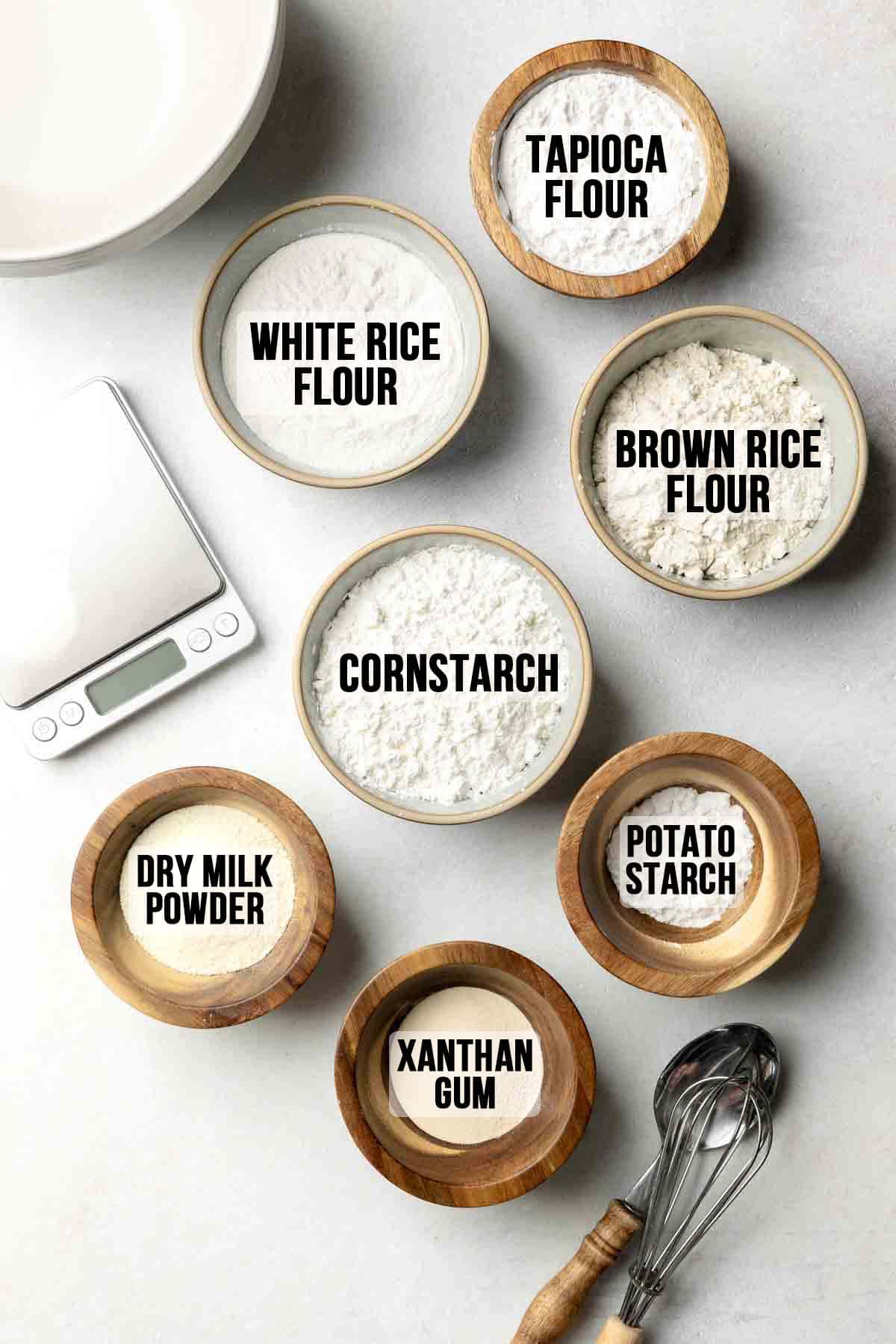
- Cornstarch: Lightens the blend, which can help mimic the texture of gluten-containing flours. It also helps in thickening and binding.
- White Rice Flour: Provides a neutral flavor and a light texture. It forms the base of many gluten-free flour blends. Use superfine white rice flour for the best results.
- Brown Rice Flour: This whole grain flour adds a slight nuttiness and more fiber compared to white rice flour, which can improve the nutritional profile and give a heartier texture. Use superfine brown rice flour for the best results.
- Tapioca Flour (Tapioca Starch): Contributes a chewy texture and helps in binding and moisture retention, making it essential for achieving the right texture in baked products like cakes and breads.
- Potato Starch: Not to be confused with potato flour, potato starch is a light, fine powder that helps add moisture to baked goods without making them heavy, which is crucial for gluten-free baking.
- Xanthan Gum: Acts as a stabilizer and emulsifier, helping to give doughs and batters more elasticity, trapping air, and thus allowing breads and cakes to rise better and hold their shape.
- Whole Milk Powder: Enhances browning, adds richness, and can also improve the structure and texture of baked goods, contributing to a tender crumb.
*Refer to the recipe card for full ingredient information.
Necessary Equipment
In order to accurately measure the ingredients for this flour bend, you will need a digital kitchen scale. Precision is key, especially when making a gluten-free flour blend and I will not be providing U.S. cup-based measurements for this recipe.
How to Make Cup4Cup at Home
Making a flour blend is so simple. You just need to measure and mix!
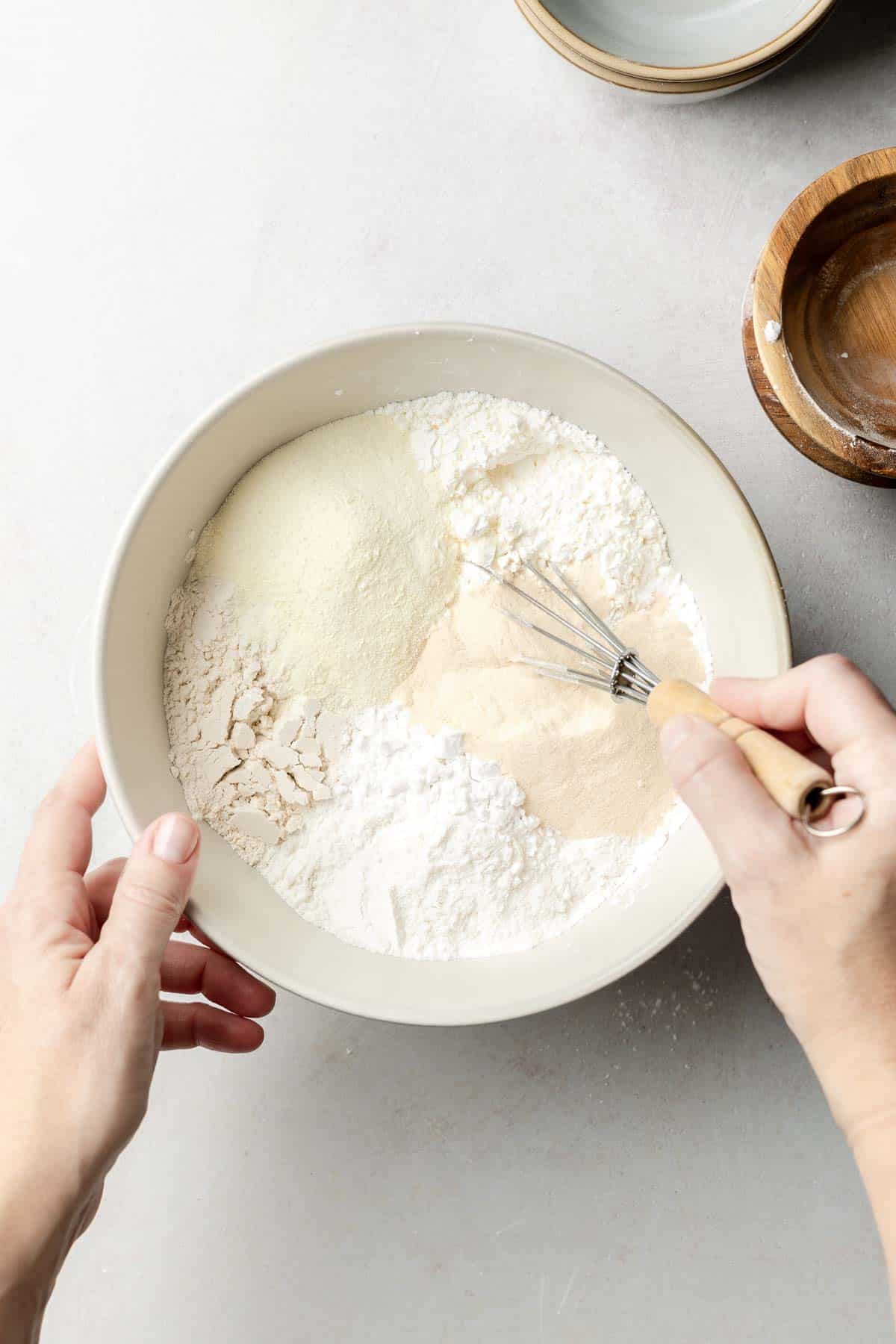
First, gather your ingredients and measure them out by weight with your digital kitchen scale into a large mixing bowl.
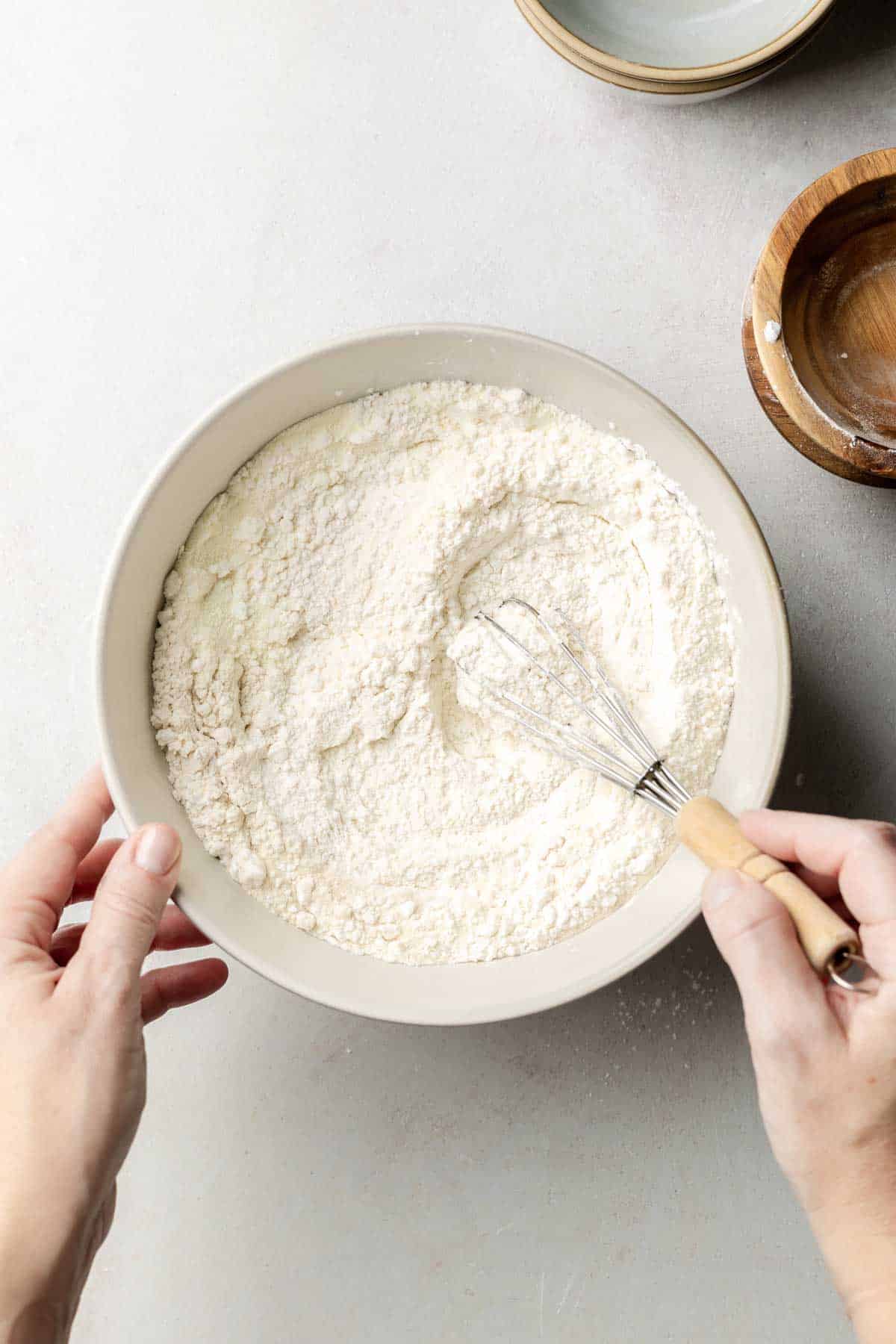
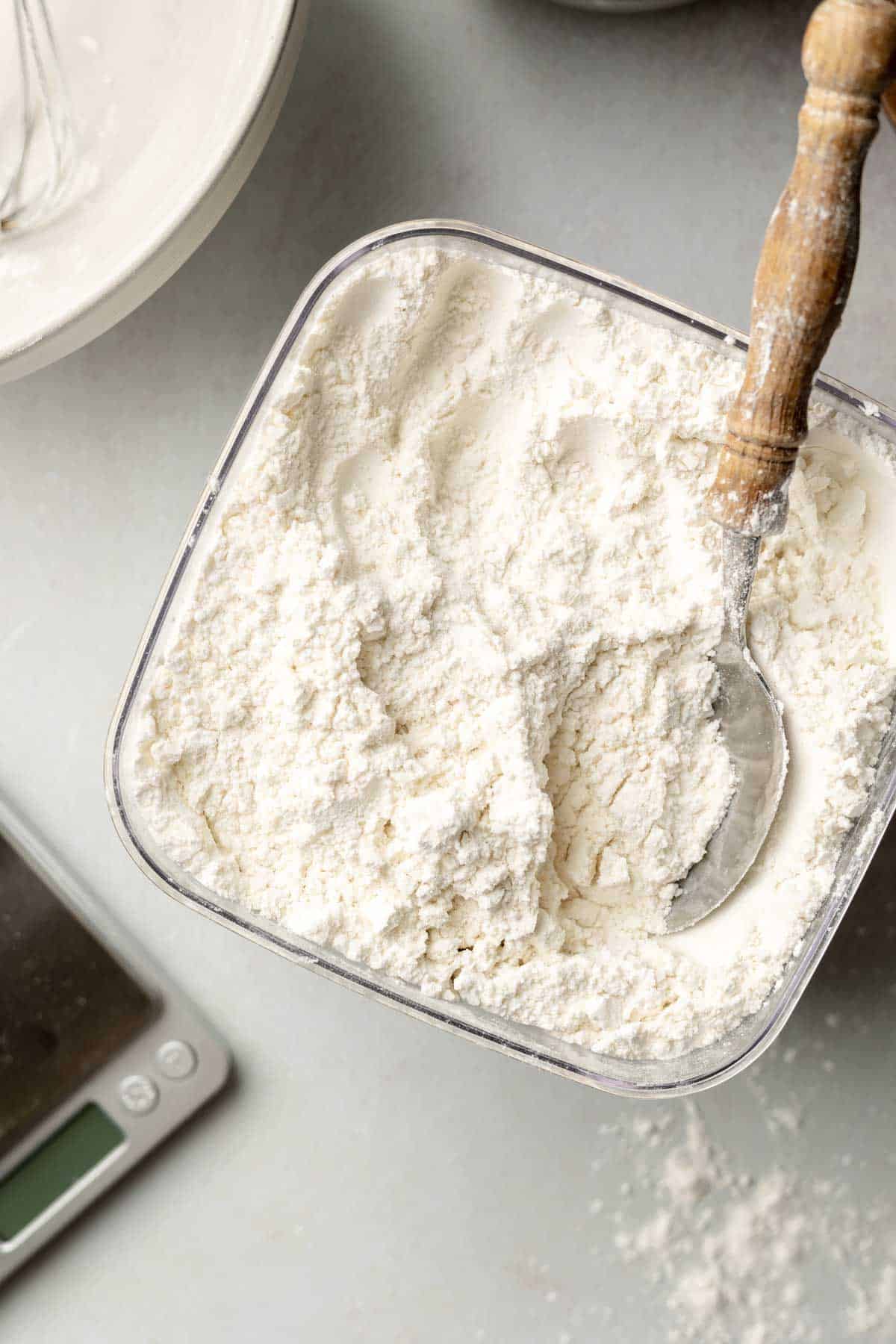
Whisk to thoroughly combine the ingredients. You can use the blend right away or scoop it into an sealed container for storage.
Storage
To keep your homemade gluten-free flour blend fresh, store it in an airtight container in a cool, dry place away from direct sunlight. Label the container with the date and type of blend.
The blend will keep for several months at room temperature, even longer when refrigerated or frozen.
What To Make With Cup4Cup Flour
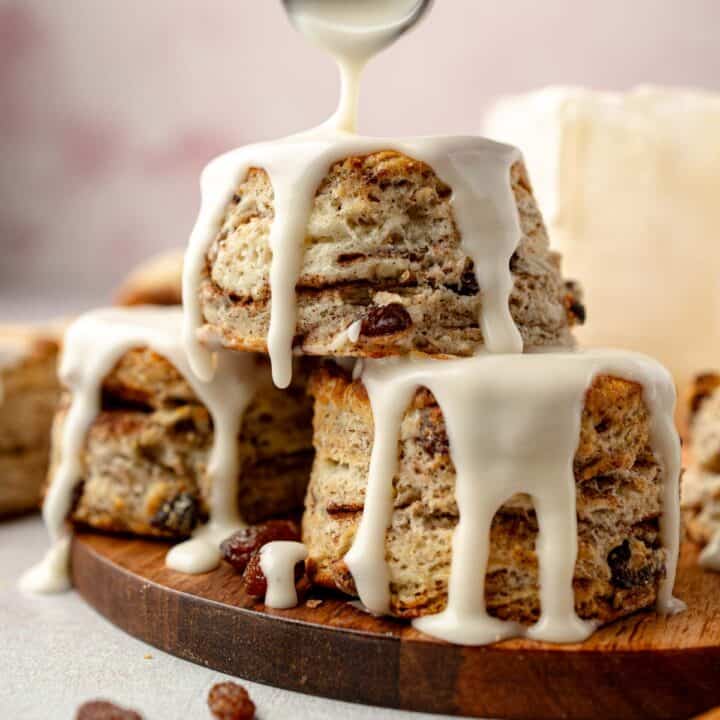
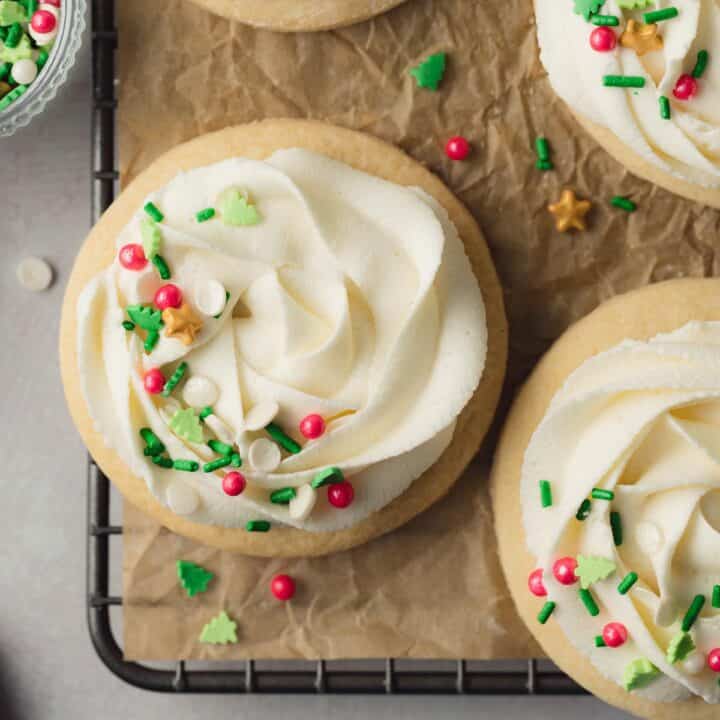
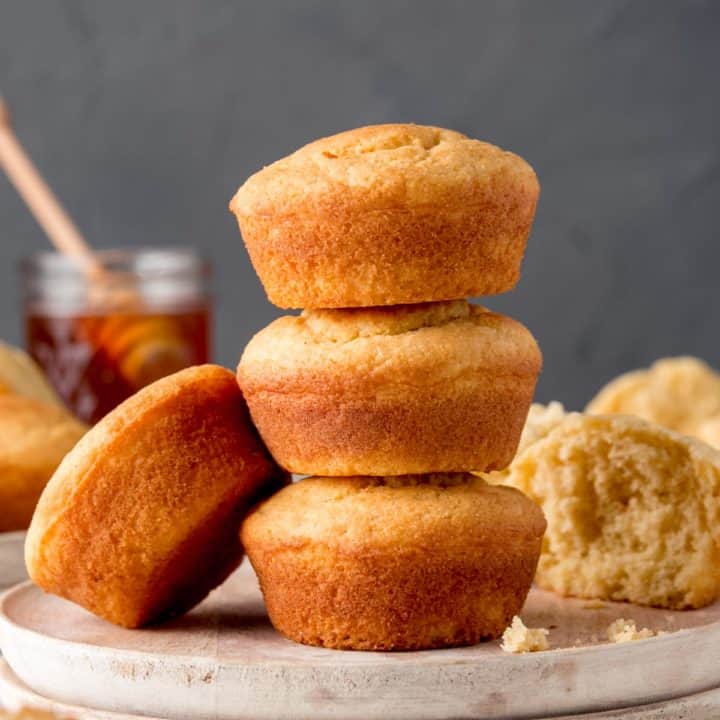
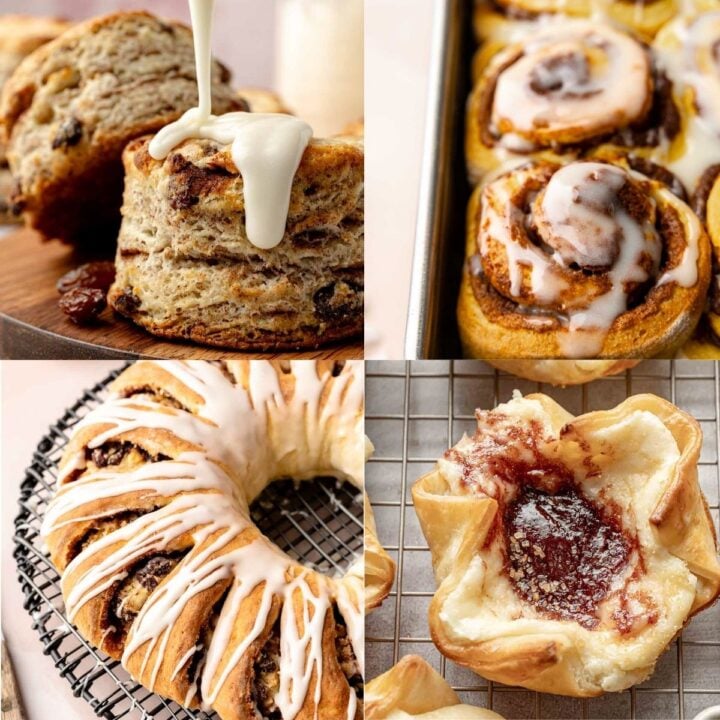
This blend is a fantastic all-purpose gluten-free flour that performs beautifully in a variety of recipes, especially those where you want a tender outcome, fluffy Gluten-free buttermilk biscuits and gluten-free drop biscuits are a perfect example. Here's a few more of my favorite recipes featuring Cup4Cup flour:
Top Recipe Tips!
Before using your homemade gluten-free flour blend, it's crucial to give it a good whisk. This helps redistribute the flours and starches evenly, ensuring consistency in your recipes every time you bake.
I learned from my friend Daniela over at The Gluten-Free Austrian, that if you really want to mix it up well and make sure everything if finely ground, you can give it a whiz in a high-powered blender. I tried this in the Vitamix dry grains jar for my blender and it works remarkably well! Such a great tip!
Recipe FAQs
One cup of this gluten-free Cup4Cup flour blend weighs 128 grams.
Substitutions can be made in this homemade Cup4Cup flour recipe. For instance, if you need a dairy-free version, you can omit the milk powder or replace it with a dairy-free milk powder alternative. Similarly, if you're sensitive to corn, arrowroot powder can be used in place of cornstarch. Just keep in mind that each substitution may alter the texture and behavior of the flour in your recipes, so some experimentation might be necessary to achieve your desired results.
Cup4Cup is a versatile flour for gluten-free baking. It excels in a variety of uses, from light and fluffy cakes and cookies to artisan breads and pizza dough. This flour also performs well in making smooth roux for thickening sauces, as well as tender pie crusts and pastries. Its ability to substitute directly for all-purpose flour without additional adjustments makes it a favorite among both home bakers and professionals.
Recipe
Cup4Cup Gluten-Free Flour Blend (Copycat Recipe)
Equipment
Ingredients
- 140 g Cornstarch
- 100 g White Rice Flour
- 100 g Brown Rice Flour
- 45 g Tapioca Flour
- 20 g Potato Starch
- 30 g Milk Powder
- 9 g Xanthan Gum
Instructions
- To a large bowl, weigh each ingredient accurately using a kitchen scale.
- Mix thoroughly with a whisk.
- Transfer to an airtight container, label, and store in a cool, dry place. The blend will keep for several months, even longer if refrigerated or frozen.
Notes
Save This Recipe!
Estimated Nutrition
* Nutritional information is provided as a courtesy and should be used as an estimate only. See the nutrition policy for more information.


Cynthia says
Thank you for this recipe! I don't have milk powder on hand, but I have buttermilk powder on hand. Do you think this would work with buttermilk powder?
Katie Olesen says
Buttermilk powder will not work the same way as milk powder. It is acidic and may affect your recipes. Milk powder is more neutral and promotes browning.
Cathy says
I am excited to find this recipe! Do I use skim or whole powdered milk? Thank you.
Katie Olesen says
I used non-fat powdered milk.
Lori says
Hello new to the gluten free baking world since January. How do you use this recipe in bread and buscuits? Meaning 2 cups for bread or 2 cups for biscuits? I love bread so I am trying to get it right for me and my granddaughter who is 5 and also has to follow a gluten free world. And we both love bread and biscuts. And we haven't figured out how to make donuts. Lol thank you
Katie Olesen says
You can use it in a "cup for cup" manner. I have a biscuit recipes developed for Cup4Cup. Here's two of them:
https://wheatbythewayside.com/gluten-free-biscuits-recipe/
https://wheatbythewayside.com/easy-gluten-free-cinnamon-raisin-biscuits-with-icing/
As for bread, I much prefer Caputo Fioreglut. Read my review on that here: https://wheatbythewayside.com/caputo-fioreglut-review/