

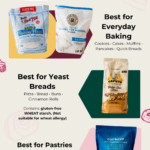
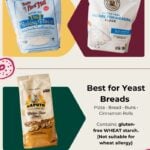
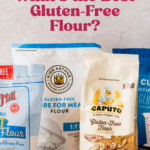
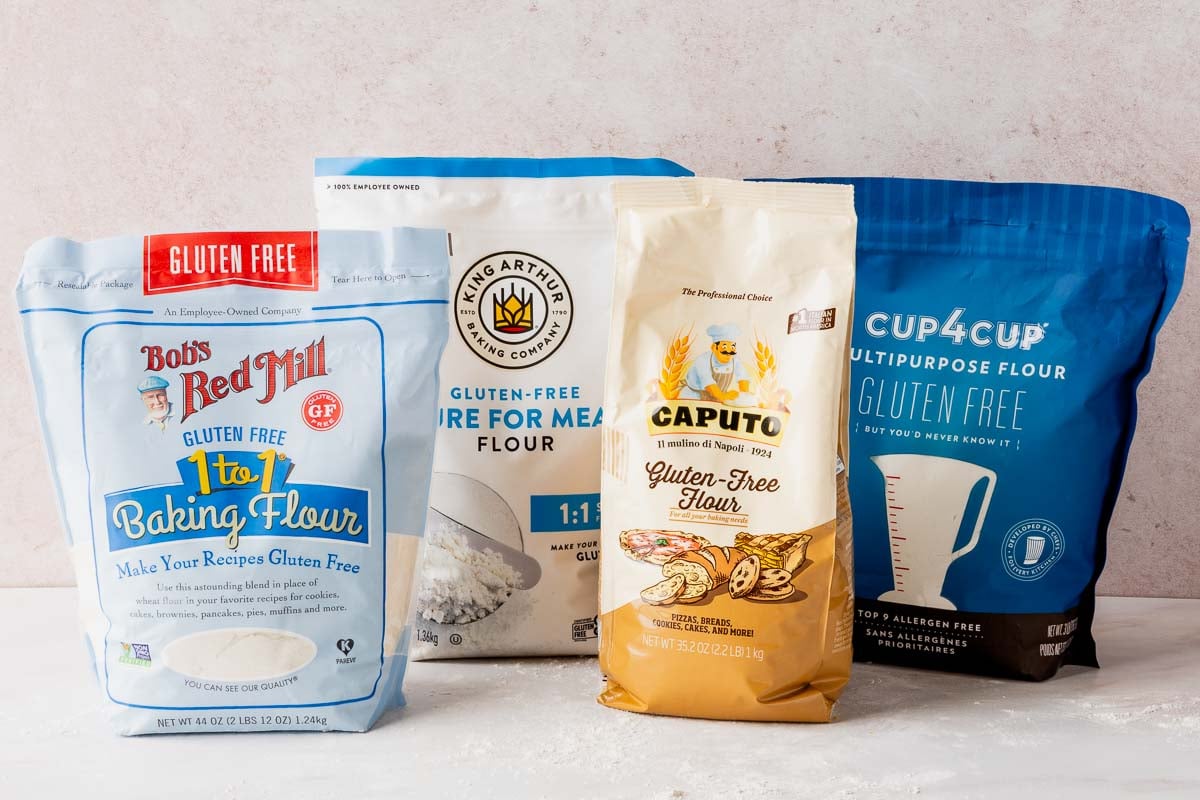
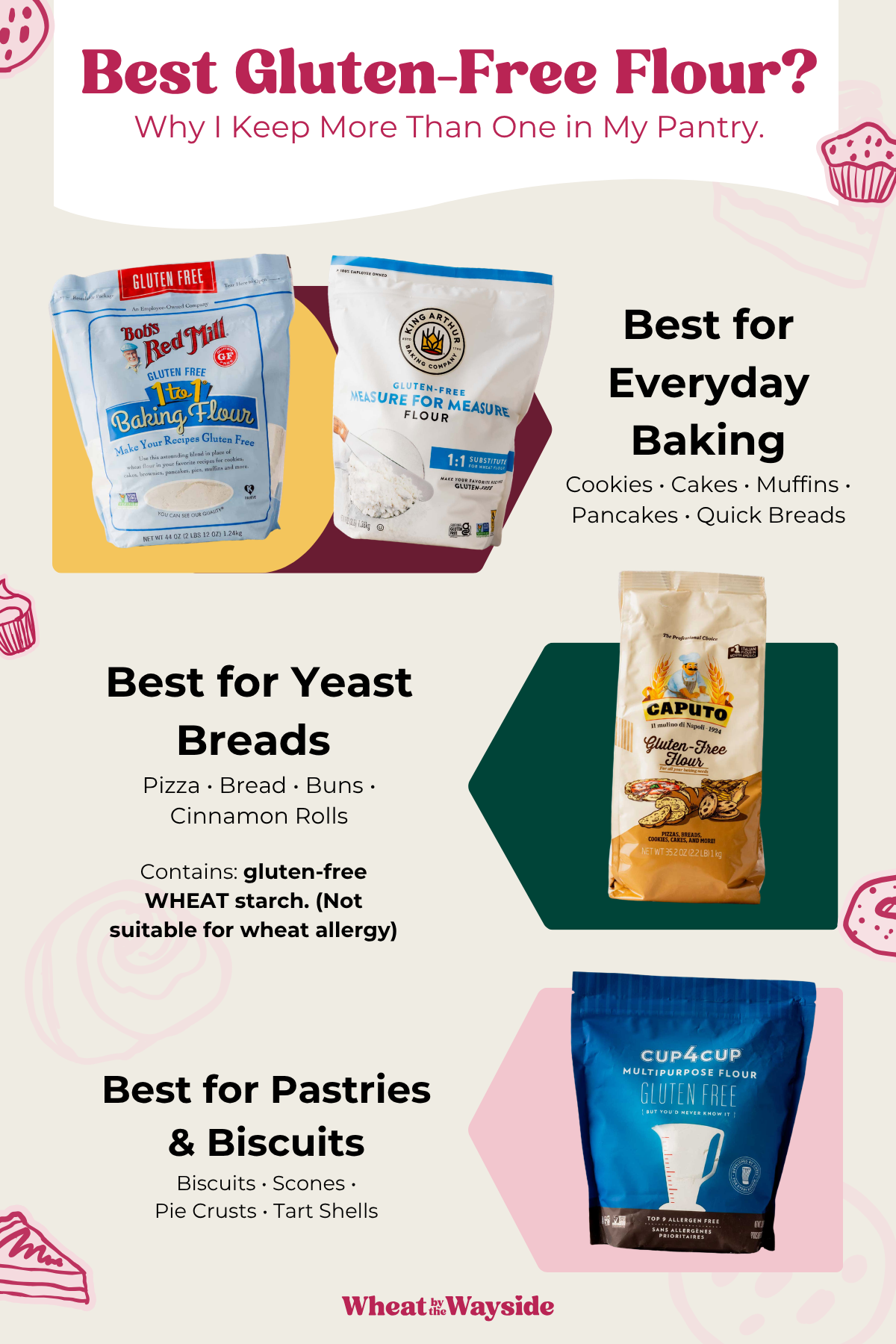
After developing hundreds of gluten-free recipes, I've come to rely on four gluten-free flour blends for my recipe development. In this post, I'll share why there isn't a single best gluten-free flour blend, which blends I actually keep stocked in my pantry, and what I use them for.
Save This Recipe!
Why There Isn't One "Best" Gluten-Free Flour
After years of gluten-free recipe development, if there's one thing I'm sure of, it's that there isn't a single best gluten-free flour. The truth is, the best gluten-free flour blend depends entirely on what you're making.
I've personally created hundreds of gluten-free recipes, and I've learned that different flour blends excel at different things. That's why I keep several blends in my pantry and choose the one that's best suited for the recipe I'm making.
Trust me, I'd love nothing more than to walk into the store, grab a bag of gluten-free all-purpose flour, and use it in every recipe. Unfortunately, gluten-free baking is more nuanced than that.
So let's dive right into the gluten-free flour blends I keep stocked in my pantry and what I use them for.
The Gluten-Free Flours I Always Keep in My Pantry
Best Gluten-Free Flour Blends for Everyday Baking
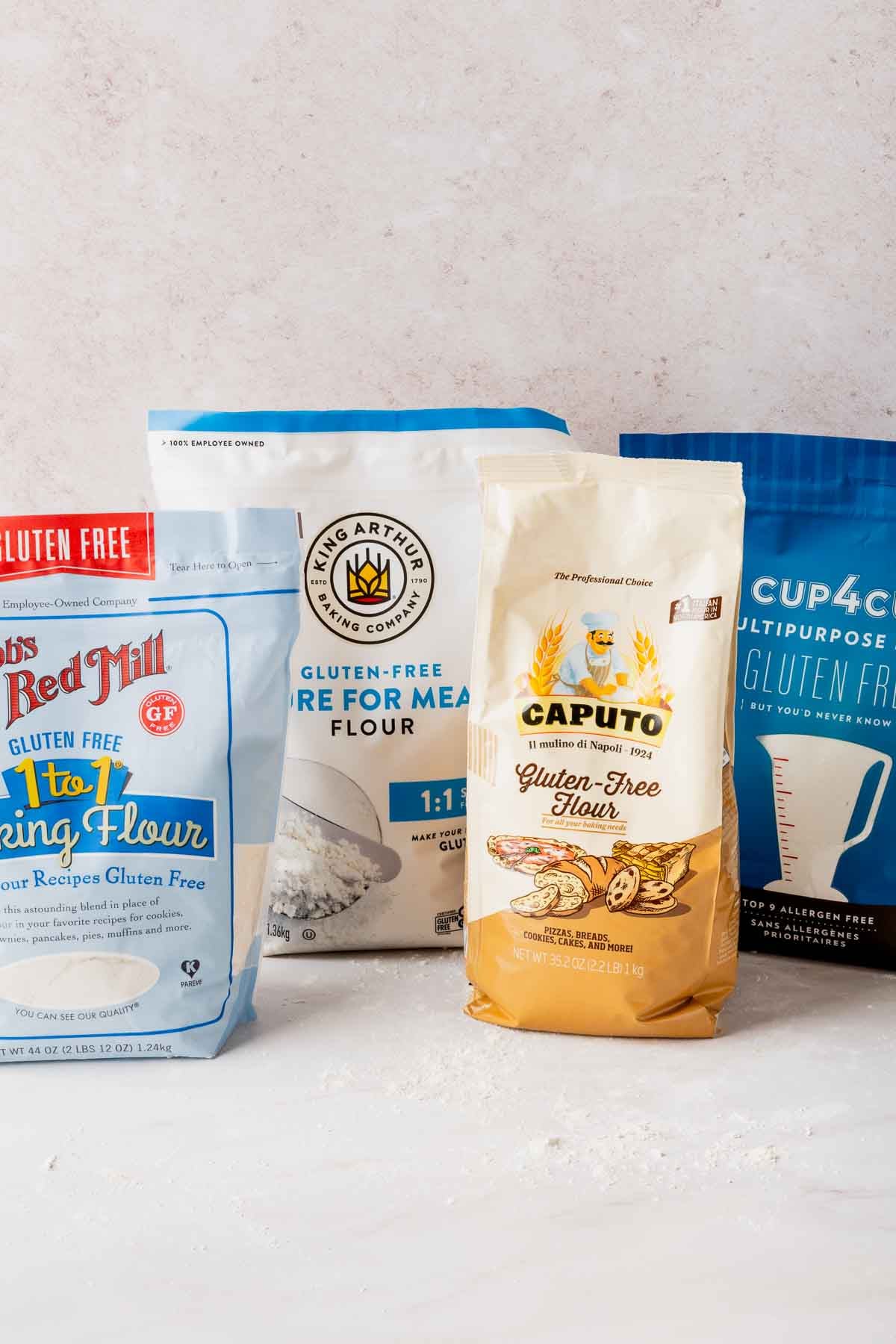
- Bob's Red Mill 1-to-1 Baking Flour
- King Arthur Measure for Measure Flour
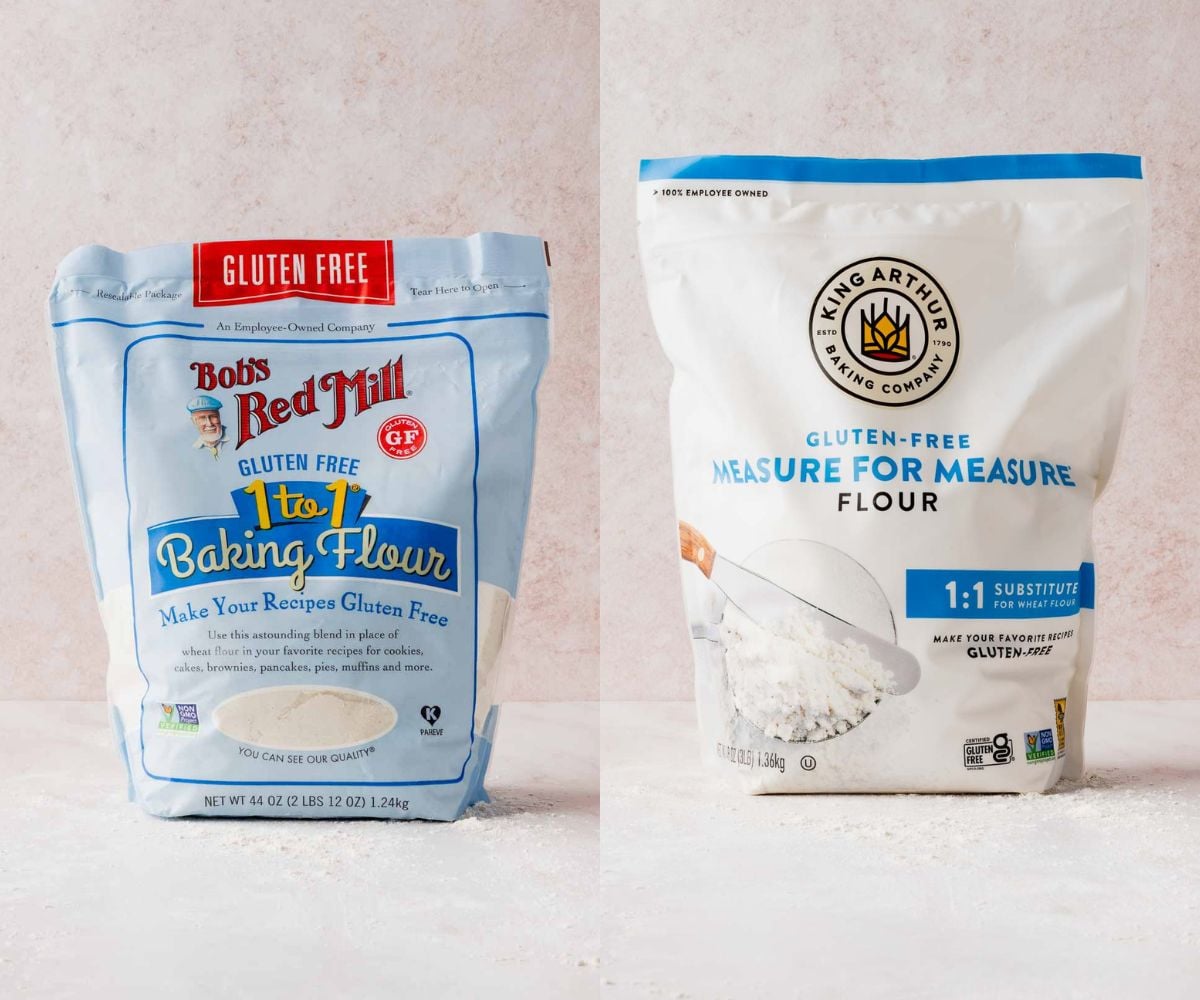
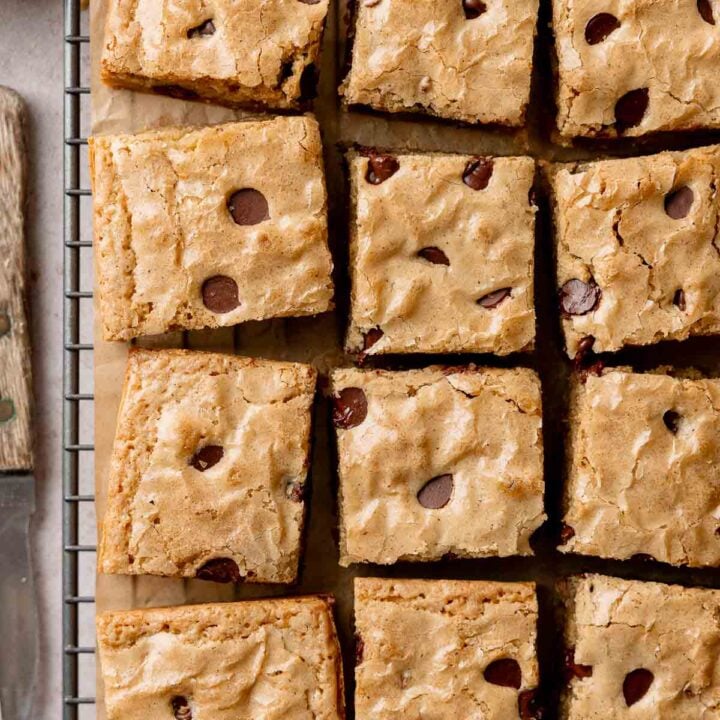
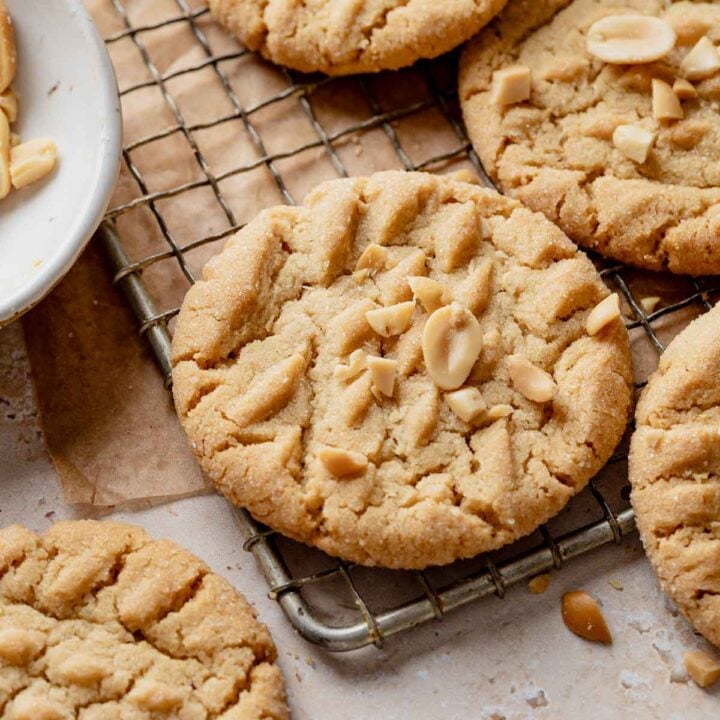
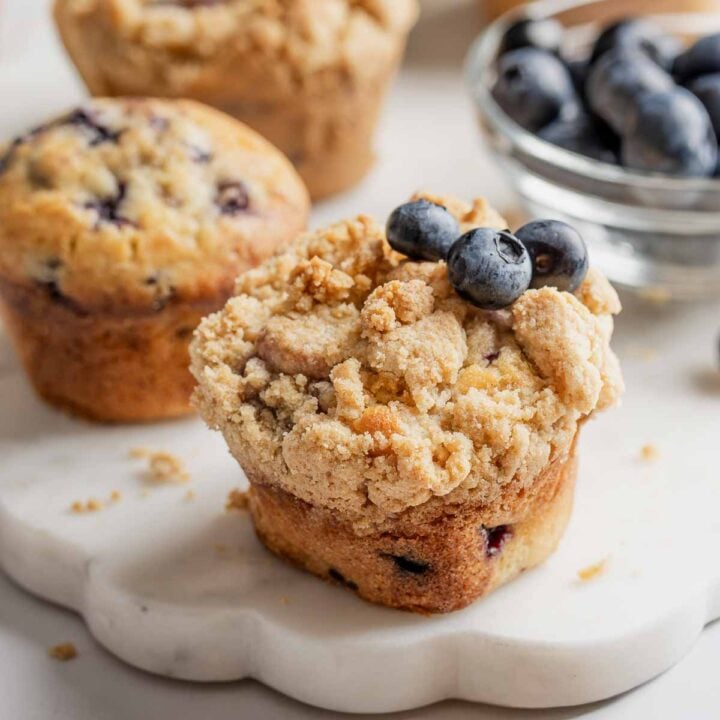
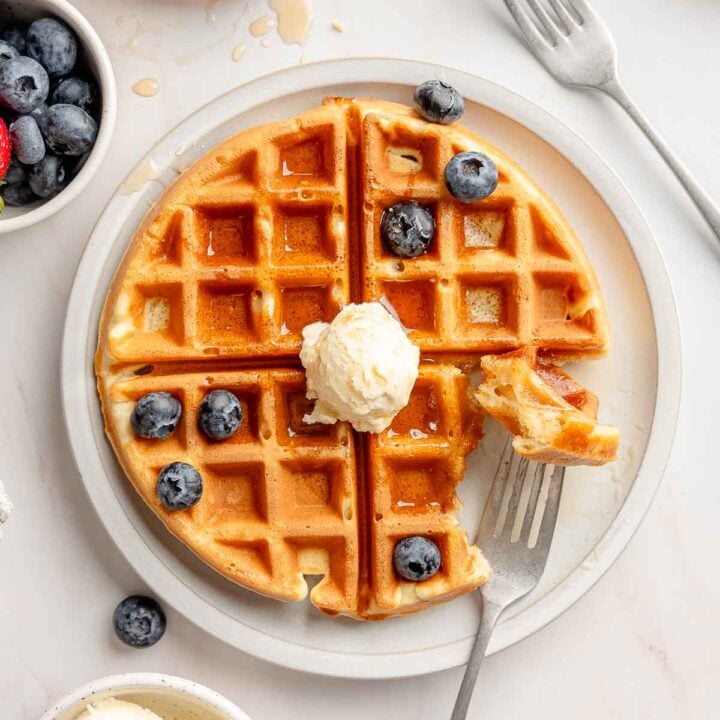
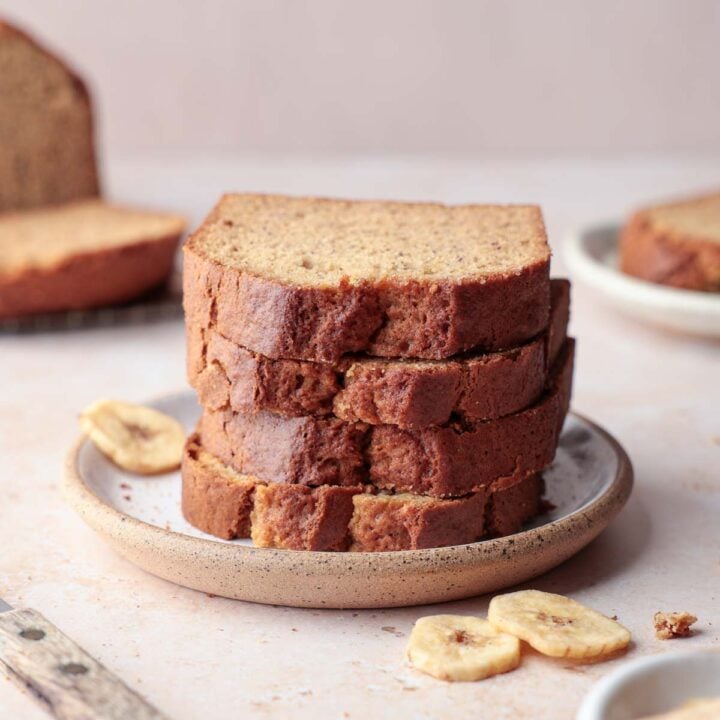
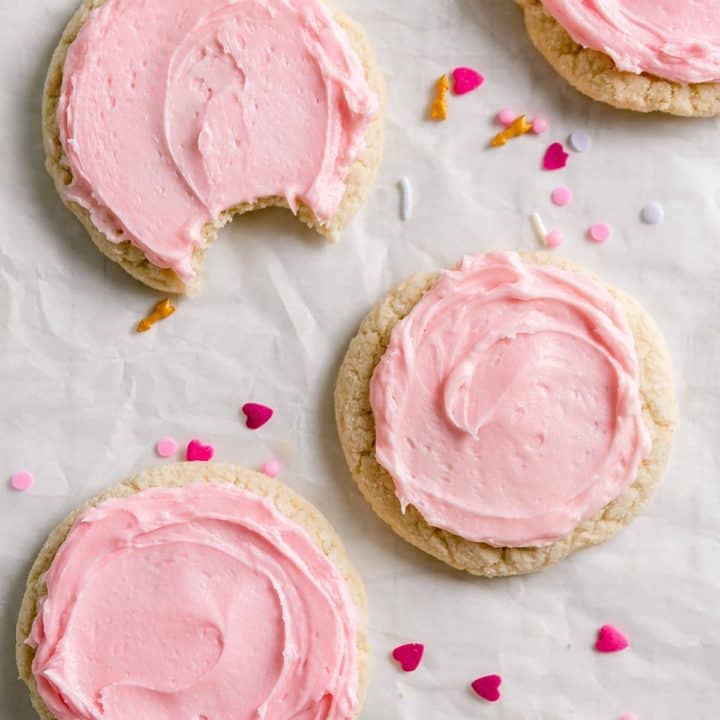
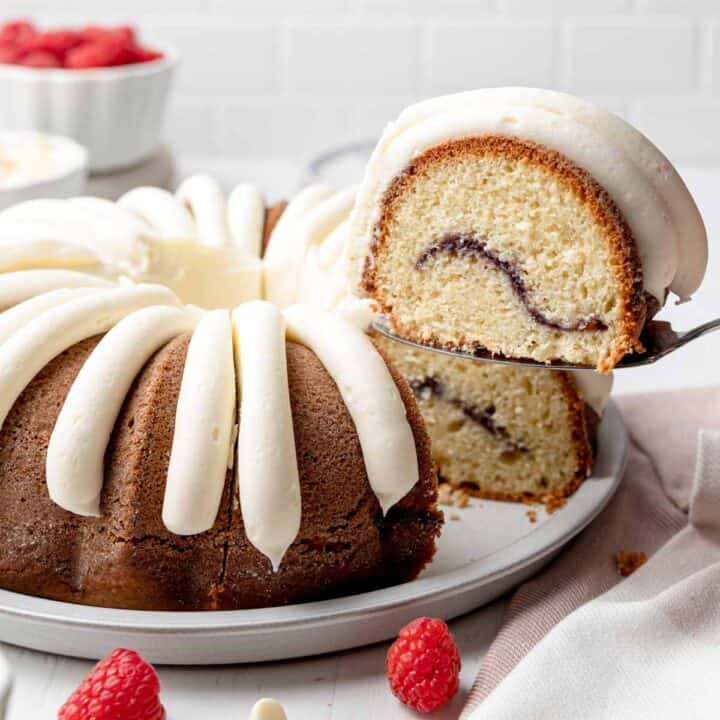
For my usual everyday recipes, I reach for either Bob's Red Mill 1-to-1 Baking Flour or King Arthur Measure for Measure. These versatile blends work well in the majority of recipes, from cookies and cakes to muffins, pancakes, and quick breads. If you're building a gluten-free pantry from scratch, either one is a great place to start.
I slightly prefer the flavor and texture of Bob's Red Mill, but I also keep King Arthur on hand because Costco carries it in large bags at a great price. During the holiday baking season, that can be hard to beat.
While some adjustments may be needed, these blends are an excellent starting point for converting your traditional recipes to gluten-free.
They are finely milled, with no sandy or gritty texture, and have a neutral flavor that works in both sweet and savory baking. In fact, I've served baked goods made with both blends to family and friends over the years, and most people don't even realize they're gluten-free.

Best Gluten-Free Flour for Yeast Breads
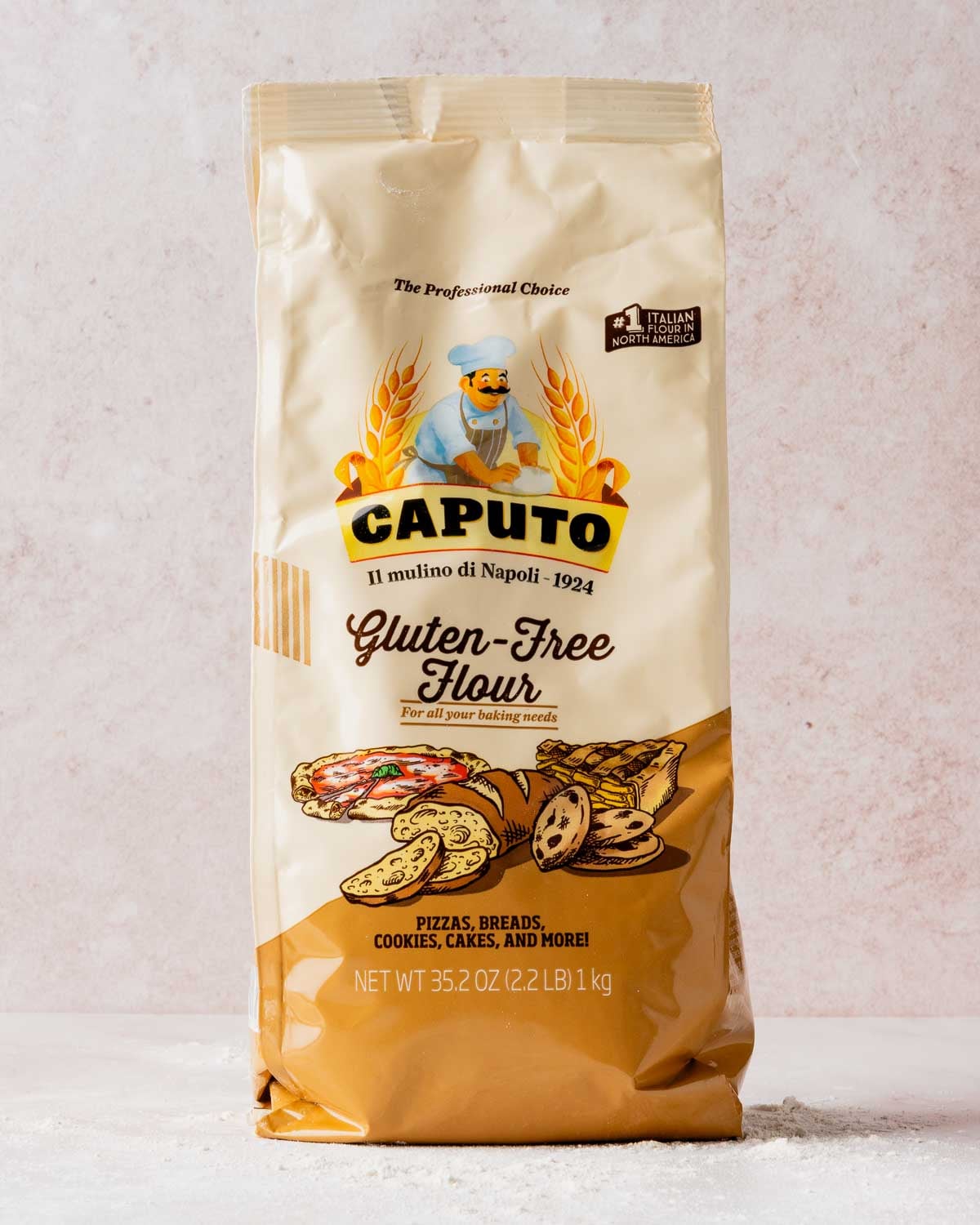
- Caputo Fioreglut
One of the hardest parts of transitioning to gluten-free baking is learning how to make yeast bread. Many of the techniques that work well in traditional bread baking simply don't apply to gluten-free yeast breads, which I discuss in more detail in my guide to gluten-free yeast bread baking.
It also doesn't help that most gluten-free 1-to-1 flour blends aren't intended for yeast breads. In fact, many packages specifically state that they should not be used for yeast baking.
It wasn't until I found Caputo Fioreglut that I was able to make a gluten-free bread I actually wanted to eat. I've now developed more than 15 gluten-free recipes using this flour, and it has become my go-to choice for gluten-free yeast breads.
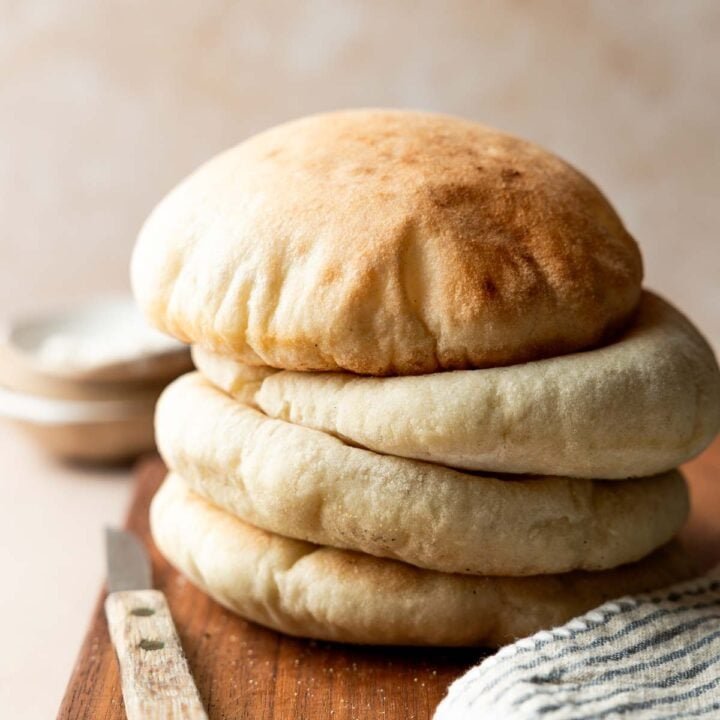
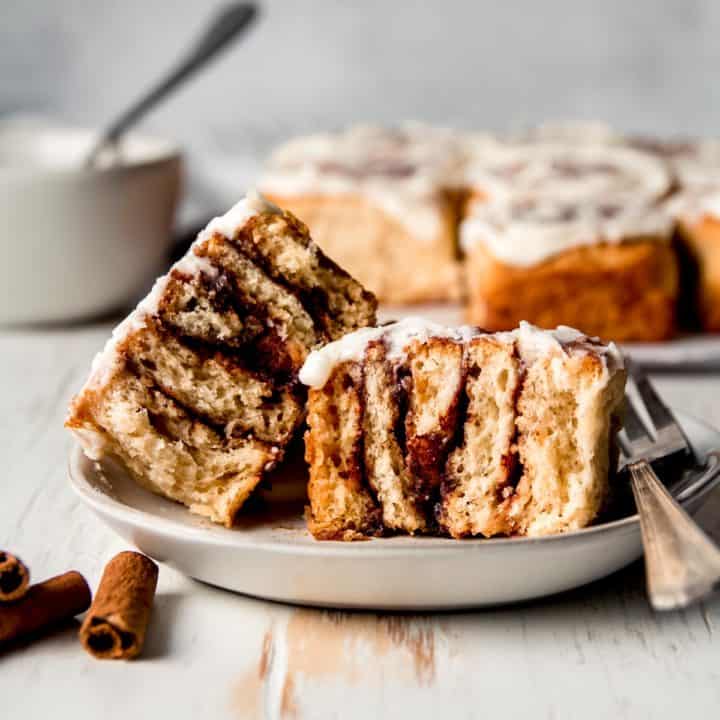
This flour produces soft hamburger buns, a chewy pizza crust, fluffy cinnamon rolls, and a great sandwich bread.
It behaves very differently than most gluten-free flour blends, which is exactly why I keep it stocked in my pantry and also why I use it almost exclusively for yeast breads.
One important thing to note is that Fioreglut contains gluten-free wheat starch. It is considered safe for people with celiac disease, but it is not suitable for anyone with a wheat allergy. You can read my full Caputo Fioreglut review for more information.

Best Gluten-Free Flour for Pastry, Biscuits and Pie Crust
- Cup4Cup Multipurpose Flour
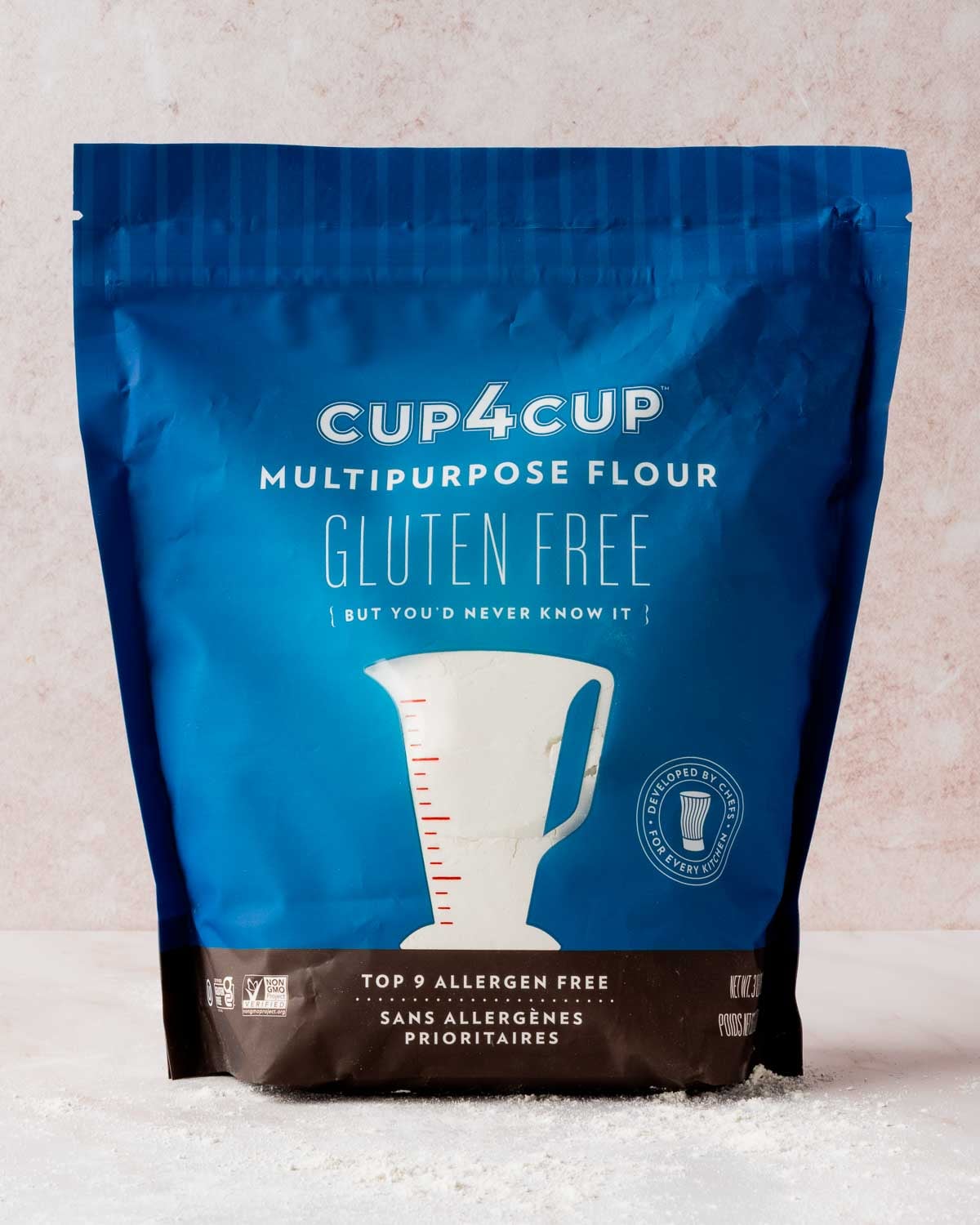
Cup4Cup used to be at the top of my list for pretty much everything. But as my baking skills have evolved, so have my preferences.
While Cup4Cup is versatile, it does behave quite differently than wheat flour and even other gluten-free blends. It is heavily cornstarch based, which makes it much lighter than other gluten-free flours. Batters made with it often turn out quite gloopy and hard to work with. Quick breads often turn out lighter and more cake-like than those made with a blend like Bob's Red Mill or King Arthur.
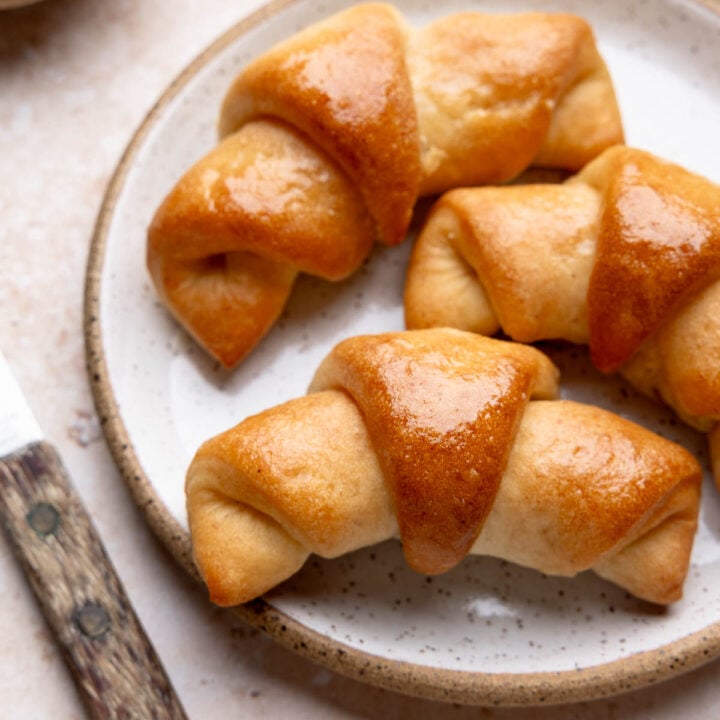
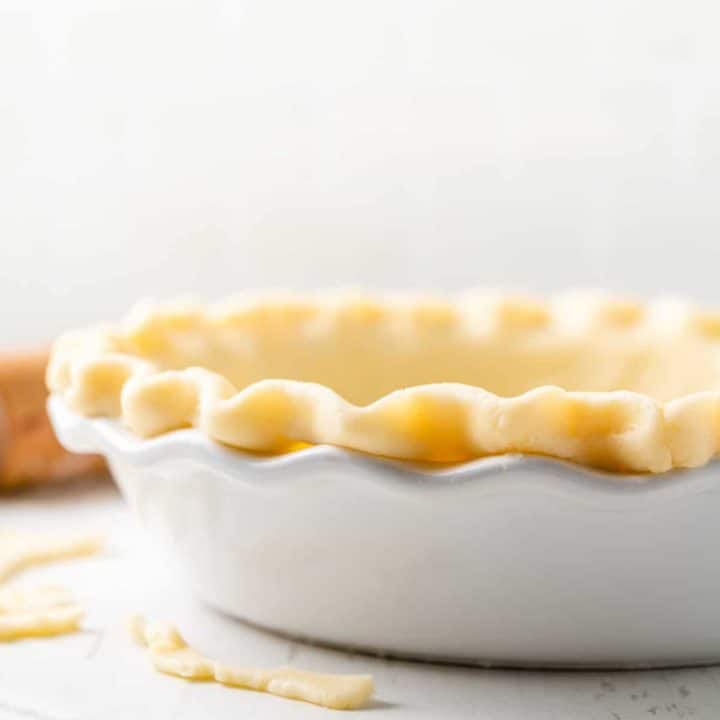
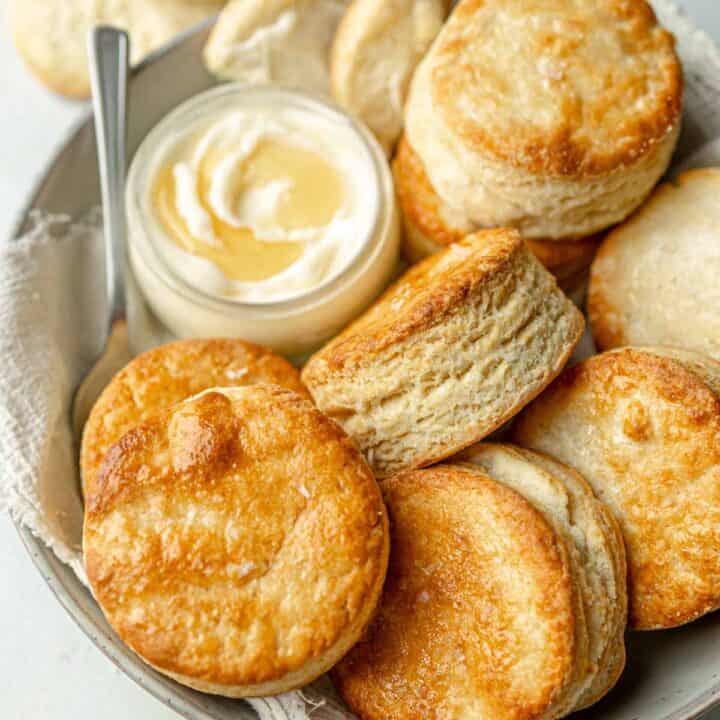
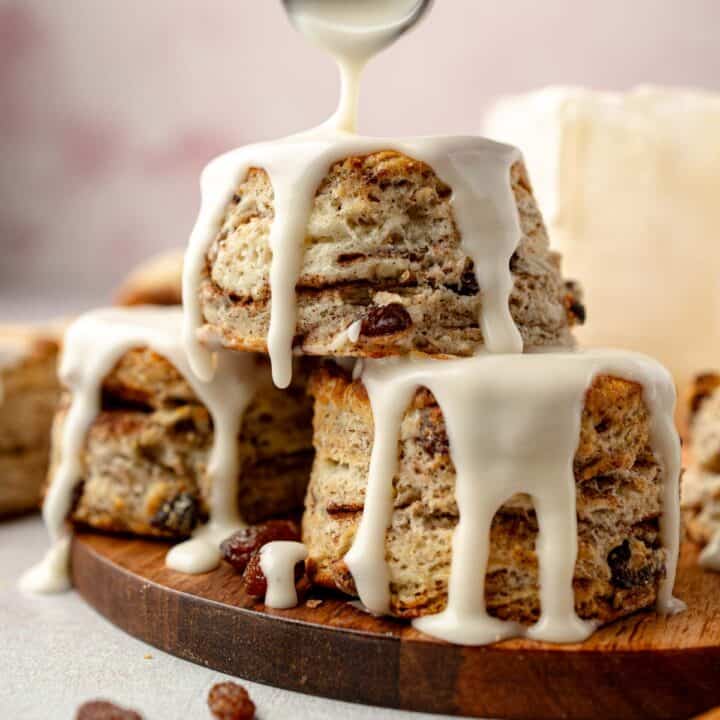
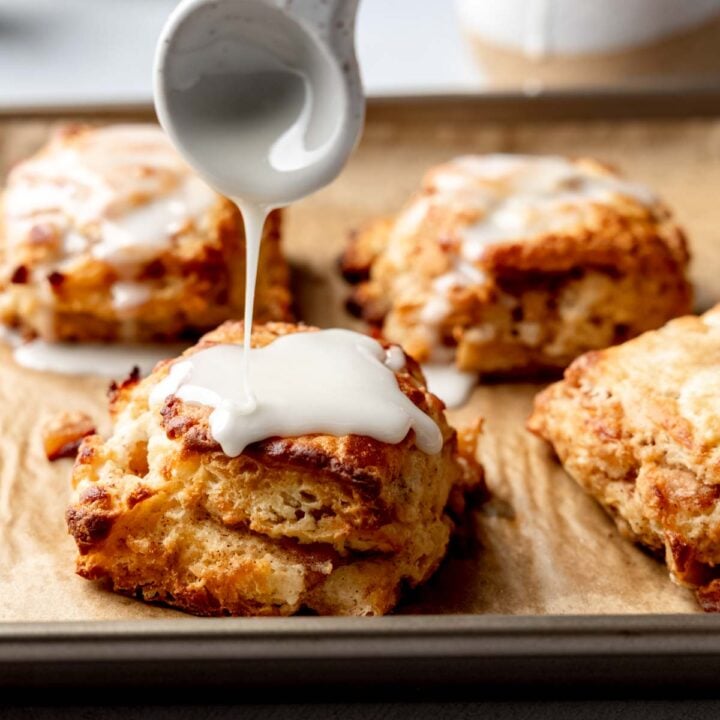
That said, I still reach for Cup4Cup when that lightness is a benefit, like in my pie crust, for a tart shell, or any time I'm making biscuits. I even love it for fresh gluten-free pasta.
Over a year ago now, Cup4Cup changed their formulation to remove milk powder, which is what helped make the blend so unique. And while that quite frankly annoyed me and felt like a bit of a betrayal, the flour still stands as the best option for delicate pastries and scones. I also created a Cup4Cup copycat recipe with milk powder that works well in my Cup4Cup recipes.
Other Gluten-Free Flour Blends I've Tested
Even with these four blends, there are plenty of other gluten-free flours on the market. Over the years, I've tested many of them, and readers regularly ask me to try the latest blend. While some are fine, not every flour has earned a permanent spot in my pantry. Here's a look at a few of the popular options I don't reach for as often and why.
- Better Batter: You can only order it online and it's expensive. It is quite different than most blends and it usually works best in recipes specifically designed for Better Batter. I find that I just don't need this flour when other options are widely available.
- GF Jules: Same as better batter. It's expensive and you can only find it online. It's heavily starch based, so it will behave similarly to Cup4Cup and may not actually be the best for all purposes.
- Namaste: I used to use this blend quite a bit, especially when Costco carried it. But I phased it out of my baking because I didn't like the flavor or texture compared to Bob's and King Arthur.
- Pamela's Artisan Blend: If you go way back in my archives, you'll see me recommend this flour. I used to use it quite a bit but I've since transitioned away from it for similar reasons to Namaste, I don't like the flavor and texture compared to Bob's and King Arthur.
- King Arthur Bread Flour & Pizza Flour: I've tried both of these, and while the price is better than Caputo Fioreglut, the results just aren't the same. Fioreglut is hands down a better option and the one I'll be sticking with.
- Pillsbury: I never liked this flour. It's quite grainy. There are so many better options.
- Store-Brand Blends: Quite frankly, these aren't always the best value or the best quality. They seem like a great value, but that's because they come in tiny bags. You can get King Arthur from Costco at a cheaper price than these flours.
If I Were Starting a Gluten-Free Pantry Today
If you're new to gluten-free baking and just starting to build out your pantry, this is what I would do.
First, I would think about the recipes I really want to make. If you just want to make some gluten-free chocolate chip cookies or a gluten-free banana bread, I would start with Bob's Red Mill 1 to 1. You can most likely find it at your local grocery store.
Then, I would add what you need as the recipes call for it. If you're going to start experimenting with pizza or other yeast breads, pick up a bag of Caputo Fioreglut. If Thanksgiving is around the corner and you're craving a gluten-free pumpkin pie, grab some Cup4Cup.
As you continue to bake, you may find the need to add some other single grain flours like sorghum, tapioca starch, or brown rice flour but you can save that for a time when you're ready to fully stock your gluten-free pantry.
Frequently Asked Questions
Can I substitute one gluten-free flour blend for another?
Sometimes, but not always. All gluten-free flour blends contain different ingredients and may absorb liquid differently. While Bob's Red Mill and King Arthur are often interchangeable, substituting a flour like Fioreglut can significantly change the results. Always try to use the flour recommended in the recipe for the best results.
Do gluten-free flour blends already contain xanthan gum?
Many do, but not all. Bob's Red Mill 1-to-1 Baking Flour, King Arthur Measure for Measure, and Cup4Cup all contain xanthan gum. Always check the ingredient list before adding extra xanthan gum to a recipe.
How should I store gluten-free flour?
Store gluten-free flour in an airtight container in a cool, dry place. If you don't bake often, storing flour in the refrigerator or freezer can help extend its shelf life.
Does gluten-free flour go bad?
Yes, gluten-free flour can easily go bad. If it smells off, or just has a strong smell, it's probably rancid and it's best to discard it.
Is Caputo Fioreglut safe for celiac disease?
Caputo Fioreglut contains gluten-free wheat starch, which has had the gluten removed to below the legal threshold for gluten-free products. It is considered safe for most people with celiac disease, but it is not suitable for anyone with a wheat allergy.
Final Thoughts
If you're searching for the best gluten-free flour, the answer isn't as simple as choosing a single brand. After years of recipe development, I've found that no single flour blend is the best at everything, they each have their own strengths.
For everyday baking, I keep Bob's Red Mill 1-to-1 Baking Flour and King Arthur Measure for Measure on hand. When I'm making biscuits or pie crust, I reach for Cup4Cup. And for yeast breads, Caputo Fioreglut is my go-to choice.
Instead of looking for one perfect gluten-free flour, I encourage you to build a small collection of trusted blends and choose the one that's best suited for what you're baking.
You also need to look beyond price. Quality over quantity truly makes a difference in gluten-free baking. Low quality blends will give you the "oh, that's definitely gluten-free" results, with odd flavors and gritty textures, that give gluten-free baking a bad reputation. A high quality blend is often undetectable to a normal person.
This approach has given me the most consistent results, has improved my recipes, and it's why these flours have earned a permanent place in my pantry.
- Katie


Comments
No Comments